
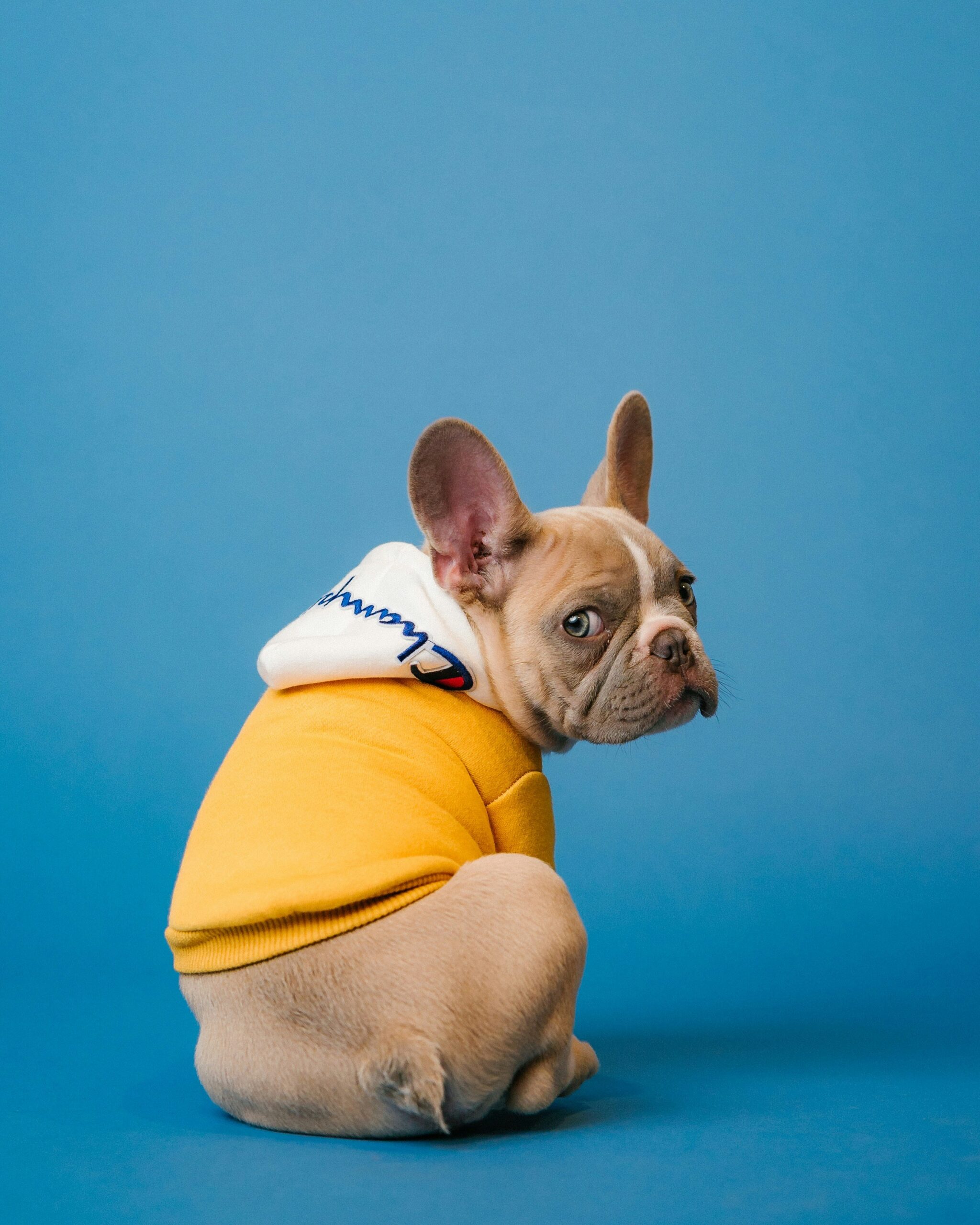
When winter arrives, pet parents often wonder how freezing temperatures affect their companions. While heavy-coated breeds like Siberian Huskies and Bernese Mountain Dogs are better equipped for cold weather, many dogs are more sensitive to low temperatures than their owners realize.
Determining whether your dog is cold means paying attention to their size, coat, age, health, and behavior rather than relying on human perception alone. With a few practical precautions, you can help your dog stay comfortable and enjoy winter safely.
The Biological Threshold: Factors Influencing Cold Sensitivity
A dog’s ability to retain body heat depends on several physical traits and environmental conditions.
- Coat type: Dogs with short or thin coats, such as Greyhounds and Chihuahuas, often lose body heat more quickly than dogs with dense double coats. However, thick fur does not make any dog completely immune to cold.
- Body size: Small dogs generally lose heat faster because of their higher surface-area-to-volume ratio.
- Age and health: Puppies, senior dogs, and dogs with certain medical conditions may have more difficulty regulating body temperature.
- Weather conditions: Wind, rain, wet snow, and damp fur can increase heat loss, even when temperatures do not seem extremely low.
A dog’s individual tolerance also matters. Watch how your pet responds to the conditions instead of assuming that every dog of the same breed will feel equally comfortable.
Myth vs. Reality: Reading Thermal Distress Signals
The Common Assumption
“My dog has fur, so they can handle cold weather as long as they keep moving.”
The Behavioral Reality
Fur provides insulation, but it cannot protect every dog in every winter condition. Cold wind and wet fur can increase heat loss, while prolonged exposure may put vulnerable dogs at risk.
Look for warning signs such as:
- Hunched posture: Your dog may arch their back, tuck their tail, or curl up to conserve warmth.
- Lifting their paws: Repeatedly lifting paws off cold or icy ground may indicate discomfort.
- Shivering: Trembling can be a sign that your dog is struggling to stay warm.
- Whining or restlessness: Your dog may appear anxious, repeatedly seek shelter, or try to turn back home.
- Unusual weakness or confusion: These can indicate a serious problem and require urgent veterinary attention.
If your dog is shivering or clearly uncomfortable, end the walk and move them to a warm, dry place. Do not wait for symptoms to become severe.
Protective Measures During Outdoor Walks
Winter does not necessarily mean giving up daily walks. Instead, adjust outdoor activities to suit your dog’s needs and the weather.
Selecting the Right Layering
A properly fitted winter coat can help dogs with short coats, small bodies, or greater sensitivity to cold. Choose one that covers the chest and back without restricting normal movement or rubbing against the skin.
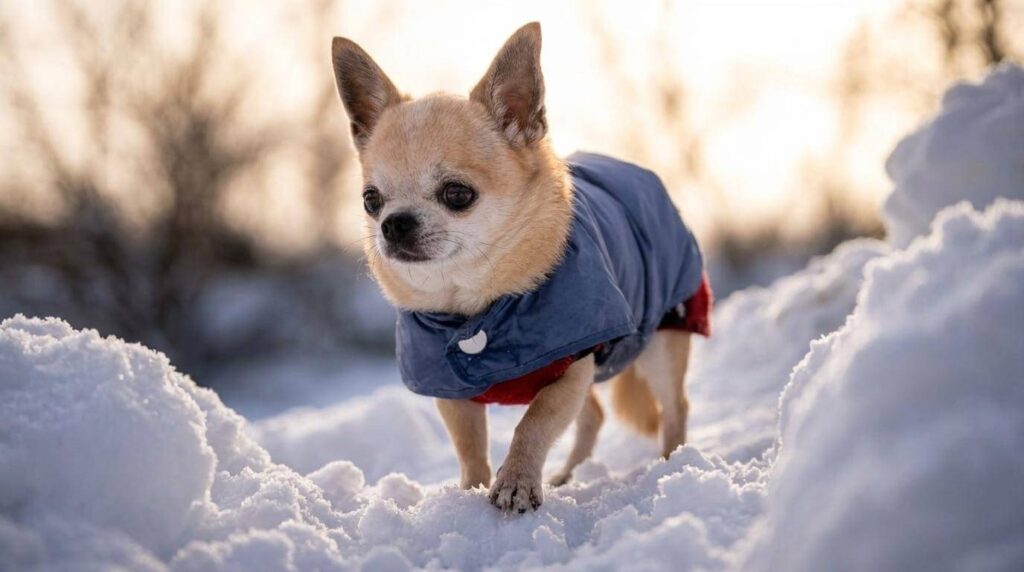
Check that the coat remains dry and fits comfortably. If it becomes wet, remove it when you get indoors and dry your dog. A coat is helpful protection, but it does not make extended exposure to severe cold safe.
Paw Protection Against Salt and Ice
Road salt and chemical de-icers can irritate paw pads. Ice may also collect between the toes, causing discomfort.
Dog booties can provide protection when your pet tolerates them. Alternatively, use a pet-safe paw balm as directed. After walks, gently wipe your dog’s paws with a damp cloth and dry them thoroughly. This also helps remove substances your dog might otherwise lick off their feet.
How Long Can Dogs Safely Stay Outside in Winter?
There is no single time limit that is safe for every dog. A healthy, thick-coated adult may tolerate conditions that are uncomfortable or risky for a small, short-haired dog.
Consider the temperature, wind chill, precipitation, your dog’s age and health, and whether they are actively moving or standing still. On very cold or windy days, choose shorter outdoor trips and give your dog opportunities to warm up indoors.
Watch your pet throughout the walk rather than relying only on the temperature shown by a weather app. If they begin shivering, lifting their paws repeatedly, slowing down, or trying to return home, head inside.
Recognizing Hypothermia and Frostbite
Prolonged exposure to severe cold can cause hypothermia or frostbite. Warning signs of hypothermia may include persistent shivering, weakness, unusual sleepiness, poor coordination, or slow responses. Frostbite may affect the ears, tail, and paws, although visible changes can take time to appear.
If you suspect a cold-related injury, move your dog indoors, wrap them in dry blankets, and contact a veterinarian promptly. Avoid rubbing suspected frostbitten areas or applying direct high heat, such as a heating pad or hot water bottle. Severe symptoms, collapse, or difficulty responding require emergency veterinary care.
According to the American Kennel Club’s guide to keeping dogs safe in winter weather, cold-weather precautions are particularly important for vulnerable pets.
Creating an Optimal Indoor Environment
Coming inside provides relief from cold wind and wet weather, but your dog’s resting area still needs to be comfortable, dry, and free from drafts.

A few simple adjustments can help:
- Provide a comfortable resting place. Place your dog’s bed in a dry area away from cold drafts and frequently opened exterior doors. A thick blanket or supportive bed can make resting more comfortable.
- Keep bedding dry. Replace damp blankets and dry your dog after snowy or rainy walks.
- Maintain comfortable indoor conditions. Avoid placing your dog’s bed directly beside a heater or using heating devices that could cause burns.
- Monitor skin comfort. Indoor heating can contribute to dry air. If your dog develops persistent itching, flaky skin, or irritation, consult your veterinarian rather than assuming the heating is the only cause.
- Adjust food according to activity. Some dogs burn more energy in cold weather, particularly if they spend considerable time outdoors. However, not every dog needs extra calories in winter. Adjust portions according to activity and body condition, and ask your veterinarian if you are unsure.
Monitoring changes in your dog’s appetite is also useful. If your dog frequently begs for food or seems unusually hungry, read our guide on how to tell real hunger from behavioral cravings in dogs.
Keep Your Dog Comfortable All Winter
Helping your dog through winter is about recognizing individual needs and responding to changing conditions. A warm coat, protected paws, shorter walks during severe weather, and a comfortable indoor resting place can all make a difference.
Pay attention to your dog’s behavior every time you head outdoors. If they seem uncomfortable, bring them inside and let them warm up gradually. When signs of hypothermia or frostbite appear, seek veterinary care promptly.
With thoughtful preparation and close attention, you can help your dog stay safer and more comfortable throughout the colder months.
Ontaryo articles are collectively researched, written, and maintained by our editorial team to help you keep your pets healthy and happy. Read our editorial policy.