
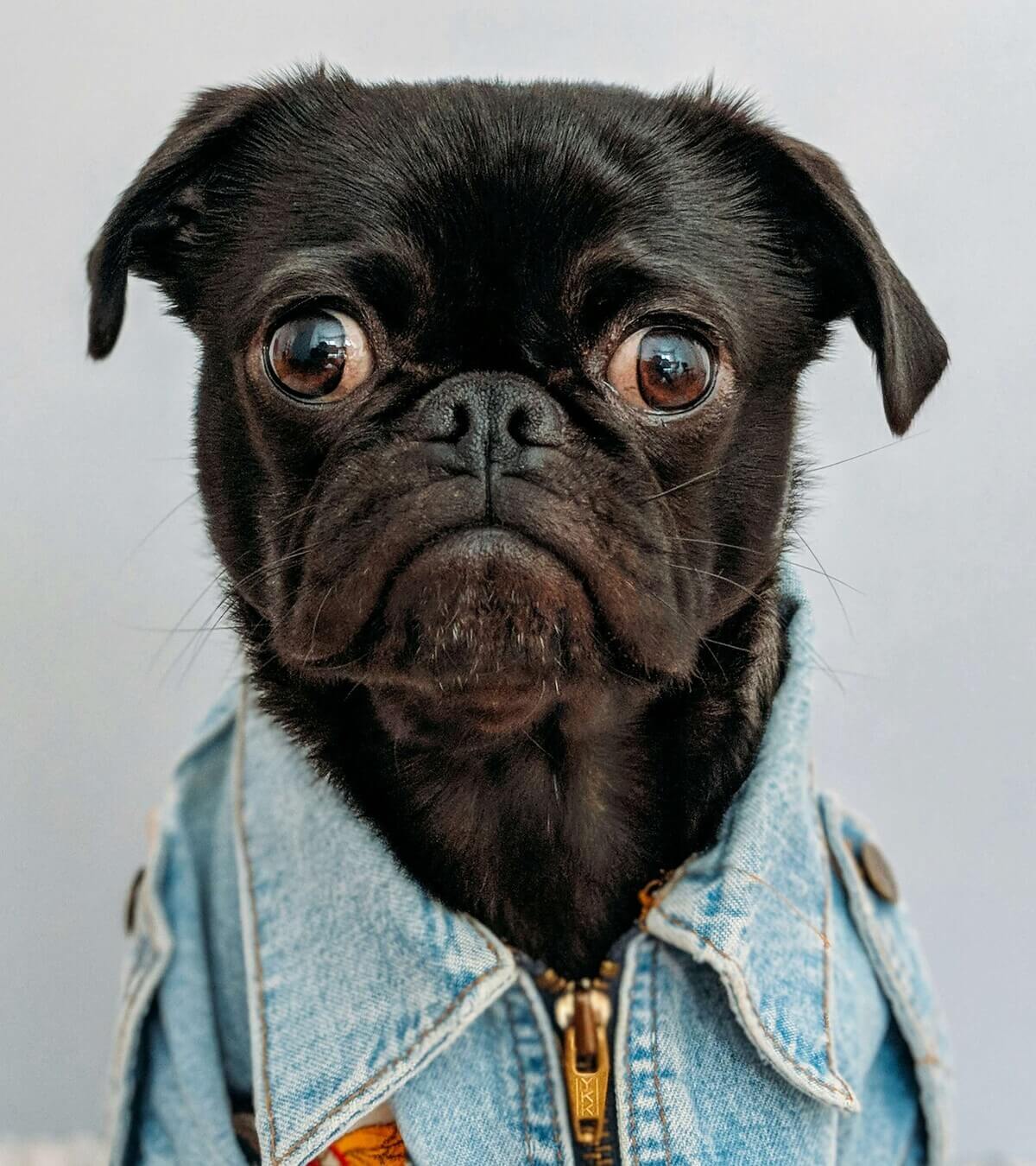
Human affection often involves touch, physical closeness, and eye contact. When we love someone, our natural instinct may be to wrap our arms around them, speak in a high-pitched voice, or pat them affectionately on the head. However, dogs communicate differently from humans, and some gestures that feel loving to us may make them uncomfortable.
Understanding the things dogs secretly dislike can help us recognize their needs, respect their boundaries, and build a stronger relationship with them. Every dog has a unique personality, so the best approach is to observe body language and allow your companion to communicate what feels comfortable.
The Misunderstood Hug and Overhead Touch
For humans, a hug is often a sign of love and reassurance. Dogs, however, do not naturally express affection by wrapping their front legs around another individual. Some dogs tolerate hugs from familiar people, while others may feel restricted when their movement is limited.
When a person leans over a dog and holds it tightly, the dog may feel trapped or unable to move away. This is particularly important around unfamiliar dogs or pets that are already anxious.
Watch for signs of discomfort, such as turning the head away, repeatedly licking the lips, flattening the ears, becoming unusually still, or showing the whites of the eyes. These signals need to be considered in context because they can have different meanings depending on the situation.
The American Kennel Club’s guide to reading dog body language explains how a dog’s posture and facial expressions can help owners understand its emotional state.
Reaching directly over a dog’s head can also make some dogs uncomfortable, especially if they do not know the person well. Instead, approach calmly and allow the dog to choose whether to come closer. If it welcomes contact, gentle strokes along the chest or shoulder may be more comfortable than reaching down suddenly.
The most important rule is simple: never force physical affection. Let your dog move away whenever it wants.
Over-Verbalization and Inconsistent Energy
People often talk to their dogs as if they understand every word. Although dogs can learn many verbal cues and recognize familiar words, they also rely heavily on tone of voice, body language, timing, and context.
Loud voices, sudden shouting, and repeated commands can confuse or overstimulate some dogs. Long verbal reprimands after an unwanted behavior are unlikely to help the dog understand what it should do differently.
Instead, use short, consistent cues and reward the behavior you want to encourage. A calm voice and predictable routine can make everyday interactions easier to understand.
Pay attention to your dog’s response. If it moves away, lowers its body, tucks its tail, or repeatedly avoids interaction when voices become loud, give it space and reduce the intensity of the situation.
Dogs also need quiet time. Constantly calling their name, interrupting their rest, or trying to engage them when they are tired can make it difficult for them to relax.
Intrusive Play and Direct Blows of Air
Some owners enjoy blowing gently on their dog’s nose or face, expecting a funny reaction. However, many dogs find this sensation unpleasant or startling. They may turn away, lick their nose, sneeze, or paw at their face.
A dog that moves away is communicating that it does not want the interaction to continue. Rather than repeating the action to get a reaction, choose a game your dog genuinely enjoys, such as fetch, a scent-search game, or gentle tug with appropriate rules.
Prolonged staring can also make some dogs uncomfortable. While dogs can learn to make eye contact with their owners, an intense stare from a person or unfamiliar dog may feel threatening, particularly during a tense encounter.
During play, look for relaxed movements, loose posture, and voluntary re-engagement. If your dog becomes stiff, repeatedly turns away, hides, or tries to leave, pause the activity and allow it to settle.
Strong Scents and Overwhelming Fragrances
Dogs have a highly developed sense of smell, so strong fragrances may be more noticeable to them than they are to people. Perfumes, scented sprays, air fresheners, and some household cleaning products can be unpleasant or irritating to sensitive dogs.
A dog that repeatedly sneezes, turns its head away, or leaves an area after a strong scent appears may be showing discomfort. Avoid deliberately spraying fragrances near your pet or using strongly scented products directly on its coat unless a veterinarian recommends a suitable product.
Keep cleaning products stored safely and follow their labels, including instructions about ventilation and keeping pets away from treated surfaces until they are safe.
A comfortable home does not need to smell strongly of perfume. Good ventilation, regular cleaning, and pet-safe products are usually better choices than covering every odor with fragrance.
Forced Socialization and Restricted Exploration
Not every dog wants to greet every person or animal it encounters. Some dogs are naturally outgoing, while others feel nervous around unfamiliar dogs or prefer more personal space.
Pulling a dog toward another dog to force a greeting can increase stress and may trigger defensive behavior. Instead, give both animals room and allow interaction only when their body language suggests that it is appropriate.
If your dog turns away, hides behind you, stiffens, or repeatedly tries to move farther away, respect that response. Socialization should help dogs feel more comfortable with the world, not force them into interactions they find frightening.
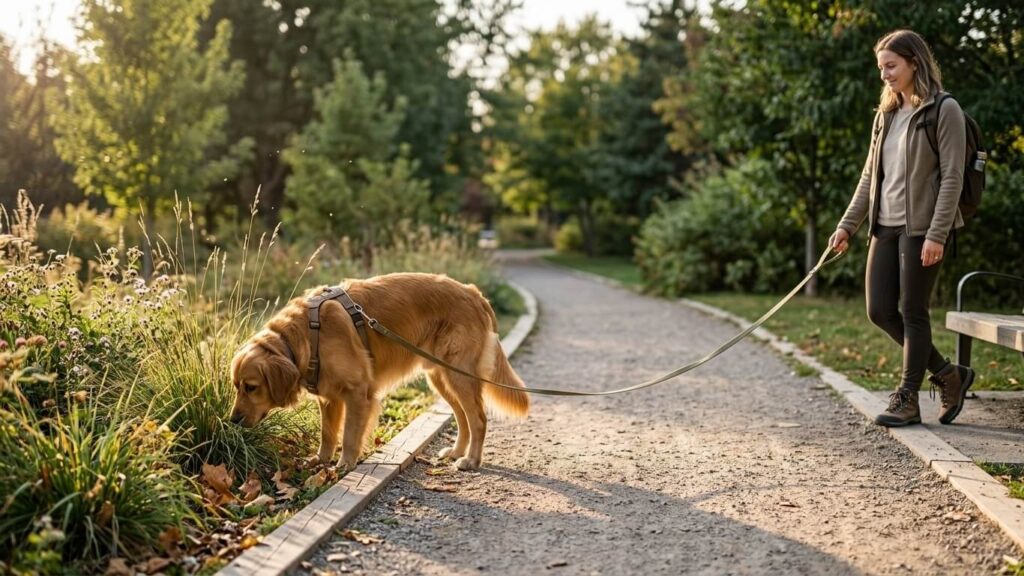
Walks also provide more than physical exercise. Dogs use their noses to gather information about their surroundings, and sniffing is an important form of mental enrichment.
Allow time for safe sniffing breaks rather than pulling your dog away from every interesting scent. Choose suitable walking routes, keep your dog under control, and avoid areas where it may feel overwhelmed.
Disregarding Boundaries and the Need for Rest
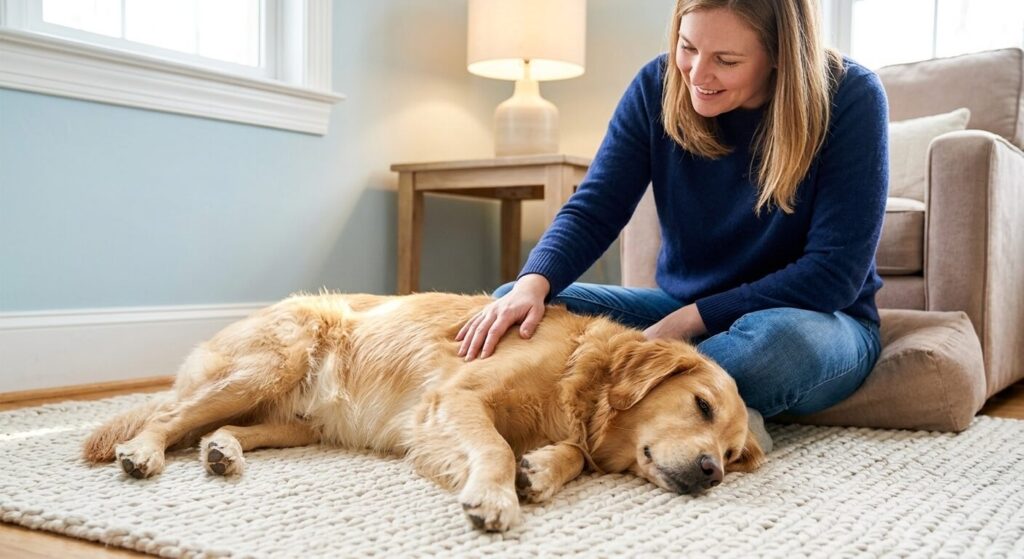
Dogs need a safe place where they can relax without being disturbed. Repeatedly waking a sleeping dog, hugging it when it retreats to its bed, or allowing children to climb on it can create unnecessary stress.
Teach everyone in the household to leave dogs alone when they are sleeping, eating, or resting in their designated safe space. Young children should always be supervised around dogs and taught to interact gently.
Consistency matters, too. When household rules change unpredictably, dogs may struggle to understand what is expected of them. Establish clear, realistic boundaries and reward the behaviors you want to see.
Give your dog the option to end an interaction. If it walks away from petting, settles somewhere else, or chooses not to play, allow that decision rather than following it and continuing to seek attention.
A dog that feels safe saying no is more likely to trust that its signals will be respected.
How to Tell When Your Dog Wants Space
Dogs communicate discomfort in many ways, and the signals can be subtle. Recognizing them early helps prevent stress from escalating.
The RSPCA guide to understanding dog body language provides additional examples of how dogs communicate when they feel relaxed, worried, or uncomfortable.
Look for behaviors such as:
- Turning the head or body away from a person.
- Repeated lip licking or yawning in a stressful situation.
- Flattened ears, a tucked tail, or a lowered body posture.
- Becoming stiff or unusually still.
- Trying to hide, move away, or avoid further contact.
- Growling or showing other clear signs of distress.
No single signal proves that a dog is unhappy. For example, yawning can simply mean tiredness, and lip licking may occur for several reasons. Consider the whole situation and the dog’s usual behavior.
If your dog repeatedly shows signs of fear or becomes increasingly uncomfortable during ordinary interactions, consult a veterinarian or a qualified, reward-based behavior professional for advice.
Building a Stronger Bond by Respecting Your Dog
Showing love does not always mean hugging, touching, or constantly engaging with your dog. Sometimes, the most meaningful way to show affection is to provide space, predictable routines, enjoyable activities, and the freedom to choose when to interact.
Pay attention to what your dog enjoys. Some dogs love gentle petting, while others prefer games, sniffing walks, training sessions, or simply relaxing near their favorite person.
For more practical advice, explore our guide on how to build trust and bond with your dog.
When you respect your dog’s signals and respond calmly to its needs, you help create a relationship built on trust rather than assumptions. Understanding these everyday preferences can make life more comfortable for your dog and help you become a more attentive, responsible owner.
Ontaryo articles are collectively researched, written, and maintained by our editorial team to help you keep your pets healthy and happy. Read our editorial policy.