
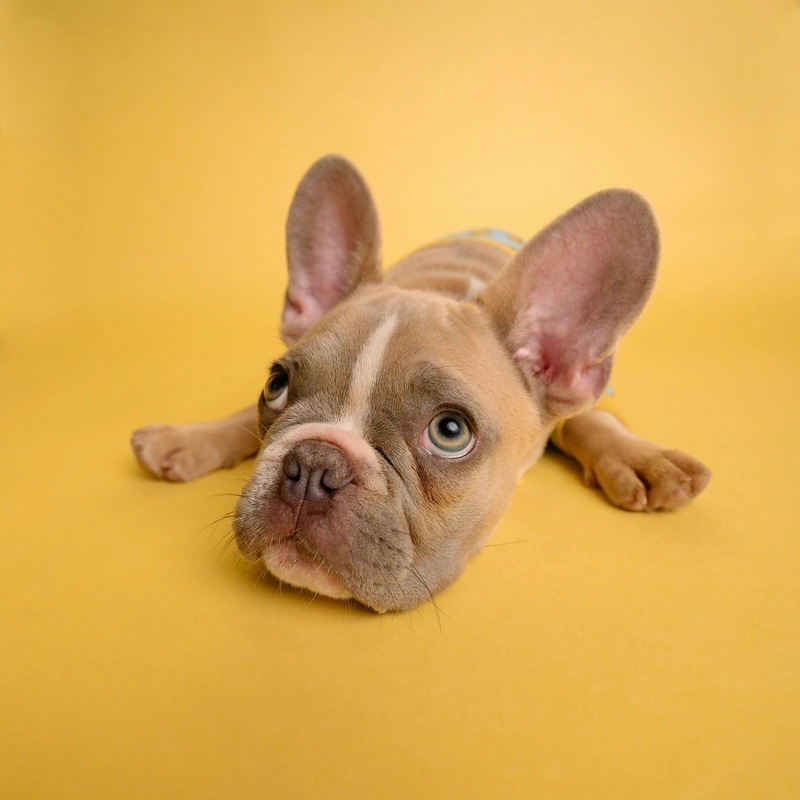
Bringing a new puppy home is an exciting experience, but the first few days can also be challenging. Your puppy may cry at night, follow you everywhere, tremble around unfamiliar people, or struggle to settle down. These behaviors can happen because puppies are adjusting to a new environment, unfamiliar sounds, and separation from their mother and littermates.
Learning how to calm an anxious puppy takes patience, consistency, and understanding. By creating a safe environment and introducing positive daily routines, you can help your puppy gradually feel more comfortable and secure.
Recognizing Signs of Anxiety in Puppies
Puppies show fear and anxiety in different ways. Some whine, bark, or pace around the house, while others hide, tremble, avoid eye contact, or cling closely to their owners.
You may also notice yawning when your puppy is not tired, lip licking, a tucked tail, or reluctance to approach unfamiliar people. These signs do not always mean anxiety, so consider the situation and your puppy’s overall behavior.
Recognizing these signals early can help you respond before your puppy becomes overwhelmed.
Create a Safe and Comfortable Space
A quiet resting area can help your puppy feel protected when the household becomes busy. Set up a comfortable bed or an appropriately introduced crate in a calm part of your home. Include familiar bedding and safe toys, and allow your puppy to rest without constant interruptions.

Never force your puppy into a crate or use it as punishment. The goal is to create a place associated with comfort and positive experiences.
If your puppy seems frightened by visitors, loud noises, or unfamiliar objects, give it enough space to observe from a comfortable distance. Let your puppy approach new experiences at its own pace.
Establish a Predictable Daily Routine
Puppies often feel more secure when they know what to expect. Try to keep feeding times, bathroom breaks, playtime, and naps reasonably consistent throughout the day.
Young puppies need plenty of sleep, and overtiredness can sometimes lead to whining, nipping, and difficulty settling down. Provide opportunities for rest between short play and training sessions.
A predictable routine also helps you recognize unusual changes in your puppy’s behavior, appetite, or energy levels.
Use Gentle Play and Positive Reinforcement
Interactive play and reward-based training can help puppies build confidence. Start with simple activities, such as encouraging your puppy to approach you, rewarding calm behavior, or practicing an easy cue in a quiet room.
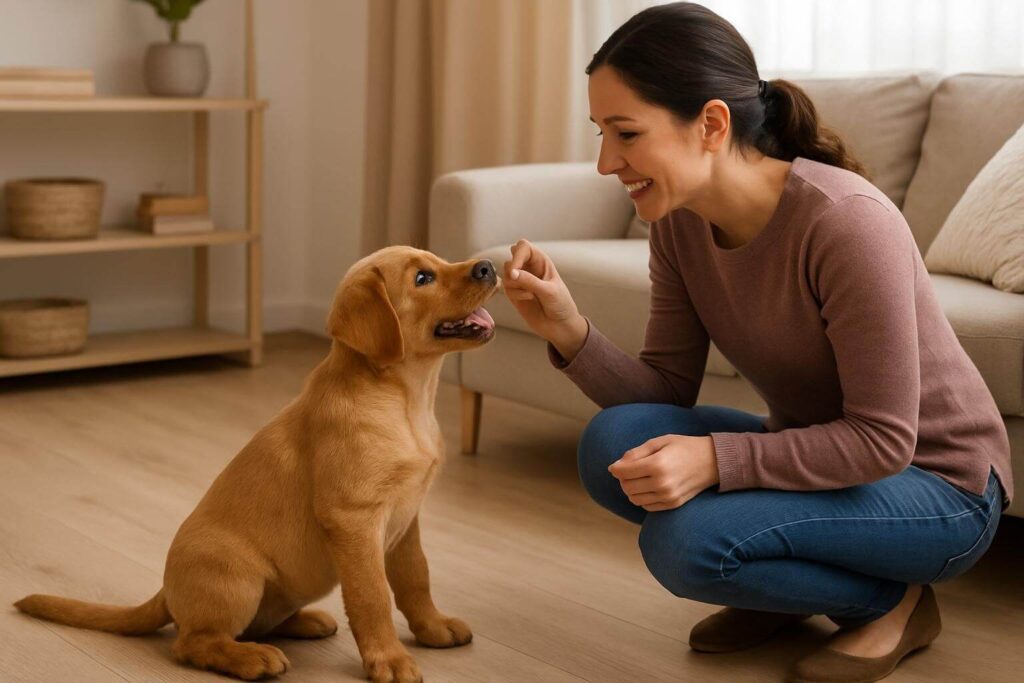
Sniffing games and age-appropriate food puzzles may also provide gentle mental stimulation when your puppy is comfortable enough to participate.
Reward relaxed behavior with praise, treats, or gentle attention. Avoid shouting, punishment, or forcing your puppy to confront something frightening. These reactions can increase fear rather than teach your puppy to feel safe.
Building trust takes time. For more ideas on strengthening your relationship with your pet, read our guide on how to bond with your dog.
Help Your Puppy Adjust to New Experiences
Unfamiliar people, other animals, car rides, and household noises can all make a young puppy nervous. Introduce new experiences gradually and pair them with positive rewards when your puppy remains comfortable.
Watch your puppy’s body language carefully. If it tries to retreat, freezes, or becomes increasingly distressed, increase the distance from the trigger and give it a break.
The American Kennel Club’s guide to helping an anxious dog provides additional advice on recognizing stress and helping dogs develop confidence.
Remember that every puppy is different. Some adjust quickly, while others need more time and patient support.
When Should You Consult a Veterinarian?
Mild nervousness during the transition to a new home can be normal. However, persistent or severe anxiety should not automatically be considered a behavioral problem.
Contact your veterinarian if your puppy’s fear continues to interfere with eating, sleeping, playing, or everyday activities. Sudden behavioral changes can also be associated with pain or illness.
Seek prompt veterinary advice if your puppy refuses food, experiences repeated vomiting or diarrhea, becomes unusually weak, or shows other concerning symptoms. Very young puppies can deteriorate quickly, so do not wait if your puppy appears seriously unwell.
Understanding Your Puppy’s Needs
Helping an anxious puppy feel safe is a gradual process. A comfortable resting area, a predictable routine, gentle training, and positive experiences can all help build confidence.
Pay attention to your puppy’s body language, respect its need for space, and avoid rushing new experiences. With patience and consistent care, you can strengthen your bond and help your puppy become more comfortable in its new home.
If anxiety is severe, persistent, or getting worse, work with your veterinarian to determine the best way to support your puppy.
Ontaryo articles are collectively researched, written, and maintained by our editorial team to help you keep your pets healthy and happy. Read our editorial policy.
Comments
One response
[…] additional ideas about helping a worried young dog feel secure, see our guide on gentle ways to calm an anxious puppy. Some approaches may also be useful for adult dogs, but persistent or severe anxiety deserves […]