

A dog’s health depends on more than food, exercise, and veterinary care. Emotional well-being also plays an important role in everyday life. Dogs need to feel safe in their surroundings, trust the people who care for them, and have opportunities to rest, explore, and express their natural behaviors.
When a dog feels secure, it may be easier for them to relax, learn, and cope with unfamiliar situations. In contrast, ongoing stress can affect behavior, sleep, appetite, and overall well-being. Understanding this connection can help owners create a healthier and more comfortable life for their dogs.
What Does Emotional Security Mean for Dogs?
Emotional security means that a dog can generally feel safe with their caregivers and in their everyday environment. It does not mean a dog will never feel afraid or anxious. Instead, it means the dog has reliable support and can recover from stressful experiences.
Dogs develop trust through repeated experiences. Gentle handling, predictable routines, access to comfortable resting places, and respectful interactions help them learn that their needs will be met.
A secure dog may appear relaxed at home, approach familiar people willingly, explore new surroundings at a comfortable pace, and settle after excitement. However, every dog has a different temperament. Some are naturally cautious, while others are more outgoing.
The goal is not to make every dog behave the same way. It is to understand what helps your individual dog feel comfortable.
How Emotional Stress Can Affect Canine Health
Stress is a normal response to challenges. A sudden noise, an unfamiliar dog, or a visit to the veterinarian may temporarily increase alertness and heart rate. Once the situation passes, most dogs gradually return to their usual behavior.
Problems can arise when stress is frequent, intense, or difficult to escape. A dog that constantly feels uncertain may struggle to relax or respond calmly to everyday situations. According to Blue Cross, recognizing signs of stress in dogs, stress can appear through subtle body language changes, such as lip licking, pacing, or pinned-back ears.
Long-term stress can be associated with changes in sleep, appetite, digestion, and behavior. Some dogs become restless or unusually vocal, while others withdraw, hide, or avoid contact. Stress may also make existing behavioral difficulties harder to manage.
These signs do not automatically mean that emotional stress is the cause. Pain and medical conditions can produce similar changes, so persistent or sudden symptoms should be discussed with a veterinarian.
Research on human–animal interactions also explores how relationships with dogs may influence human health and well-being. The connection is complex, and emotional security should be understood as one part of a dog’s overall welfare, rather than a guarantee against illness.
Signs Your Dog May Not Feel Secure

Dogs communicate discomfort through body language and changes in behavior. Learning to recognize these signals can help you respond before a situation becomes overwhelming.
Look for patterns such as:
- Excessive vigilance: Your dog constantly watches the environment or reacts strongly to small sounds.
- Avoidance: Your dog hides, moves away, or repeatedly tries to escape certain interactions.
- Difficulty settling: Your dog paces, changes resting places frequently, or seems unable to relax.
- Changes in social behavior: Your dog becomes unusually clingy, withdrawn, or uncomfortable around familiar people.
- Stress-related behaviors: Repeated lip licking, yawning, trembling, panting, or a tucked tail may appear in situations that make your dog uneasy.
One behavior alone does not always indicate fear. For example, panting can happen because of heat or exercise, and yawning can simply mean tiredness. Consider the context and look for several signs occurring together.
If your dog’s behavior changes suddenly, arrange a veterinary check to rule out pain or illness.
How to Build Emotional Security at Home
1. Keep Daily Routines Predictable
Dogs often benefit from regular feeding times, consistent walks, and familiar opportunities to rest. A predictable routine helps them understand what to expect and can reduce uncertainty.
Your schedule does not need to be identical every day. Try to maintain a reliable rhythm while allowing flexibility when necessary. Make sure your dog has enough quiet time between exciting activities.
2. Build Trust Through Positive Interactions
Trust develops when dogs learn that people will handle them gently and respect their signals. Reward calm behavior with praise, treats, or play when appropriate.
Avoid shouting, physical punishment, or forcing your dog into frightening situations. These approaches can increase fear and make it harder for a dog to trust you.
Give your dog the opportunity to approach new people or investigate unfamiliar objects at their own pace. If they move away, allow them space instead of insisting on contact.
For more practical ideas, read our guide on how to bond with your dog.
3. Provide a Safe Place to Rest
Every dog should have a comfortable place where they can relax without being disturbed. This could be a bed in a quiet room or another familiar area away from busy household activity.
Teach children and visitors not to disturb a resting dog. A safe space should not be used for punishment, and your dog should be able to leave it when appropriate.
Good sleep and regular rest are important parts of physical and emotional well-being.
4. Support Exercise and Mental Stimulation
Physical activity helps dogs use energy and maintain fitness, while mental enrichment gives them opportunities to explore and solve problems.
Choose activities suited to your dog’s age, health, and temperament. Walks that allow sniffing, food puzzles, gentle training sessions, and appropriate games can provide useful stimulation.
More activity is not always better. Dogs can become overwhelmed by crowded dog parks, excessive play, or long outings without enough rest. Watch your dog’s signals and adjust activities accordingly.
5. Help Your Dog Handle New Experiences Gradually
New environments, visitors, noises, and other animals can be stressful for some dogs. Introduce unfamiliar experiences gradually and at a distance where your dog can remain reasonably comfortable.
Reward calm curiosity and allow breaks. If your dog becomes frightened, increase the distance from the trigger rather than forcing them to stay close.
For persistent fear or anxiety, seek help from a veterinarian or a qualified, reward-based canine behavior professional.
The Role of the Human–Dog Relationship
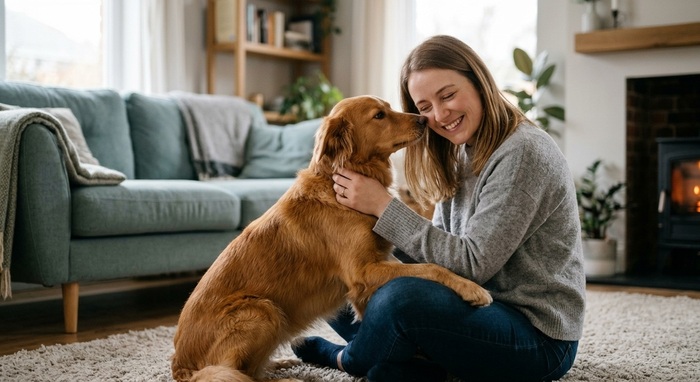
Dogs are sensitive to human body language, movement, and tone of voice. Calm, consistent interactions can help make everyday situations easier to navigate, while unpredictable or forceful handling may create uncertainty.
You do not need to be calm every moment to be a good dog owner. What matters is providing reliable care, responding thoughtfully to your dog’s needs, and seeking support when problems arise.
Research published in Frontiers in Veterinary Science discusses the different ways human–animal interactions may relate to human health and well-being. You can explore the review, Dogs Supporting Human Health and Well-Being: A Biopsychosocial Approach, for a broader look at this relationship.
Remember that a strong bond does not replace medical care. Regular veterinary examinations, appropriate nutrition, exercise, and preventive care remain essential.
When to Seek Professional Help
Contact your veterinarian if your dog develops persistent anxiety, loses interest in food, has ongoing sleep difficulties, or shows a major change in behavior. Sudden aggression, withdrawal, or sensitivity to touch can sometimes signal pain or another health problem.
If medical causes have been considered and fear-related behavior continues, a qualified behavior professional can help you develop a plan suited to your dog.
Early support can make it easier to identify triggers, improve daily routines, and help your dog feel more comfortable.
What to Remember
Emotional security is an important part of a dog’s overall well-being. Predictable routines, gentle handling, appropriate enrichment, and a comfortable resting place can help dogs feel safer in their daily lives.
Every dog is different, so pay attention to individual needs rather than expecting a particular personality or behavior. By building trust and responding to signs of discomfort, you can support your dog’s emotional well-being alongside their physical health.

Ontaryo articles are collectively researched, written, and maintained by our editorial team to help you keep your pets healthy and happy. Read our editorial policy.