
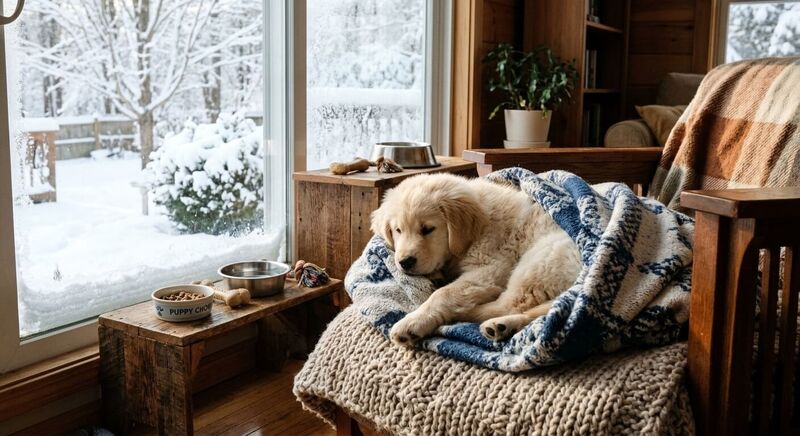
Winter brings a magical landscape of fresh snow and cool air, making it an exciting season to welcome a new dog into your life. However, if you are raising a young puppy, cold weather introduces a unique set of challenges. Young puppies have delicate bodies, thinner coats, and less developed immune systems, making them far more vulnerable to low temperatures, freezing wind, and icy ground.
Learning how to care for a puppy in winter is essential to keeping your furry friend safe, healthy, and cozy throughout the colder months. From protecting delicate paws to adjusting exercise routines, here is your complete winter puppy care guide.
1. Understanding Your Puppy’s Cold Tolerance
Unlike full-grown adult dogs with thick double coats, puppies struggle to regulate their internal body temperature. They cool down rapidly when exposed to freezing air or wet conditions.
Why Puppies Freeze Faster:
- Smaller Body Mass: Small bodies lose heat much quicker than larger ones.
- Thinner Fur: A puppy’s coat is soft and short, offering minimal insulation against cold winds.
- Low Ground Clearance: Shorter legs mean their bellies stay closer to cold ground and deep snow.
Signs Your Puppy Is Too Cold:
Pay close attention while outdoors. If you notice any of these warning signs, wrap your puppy in a jacket or towel and head indoors immediately:
- Shivering or trembling
- Whining, barking, or appearing anxious
- Holding paws off the icy ground
- Seeking shelter or attempting to jump into your arms
2. Protecting Sensitive Paws from Ice and Salt
Snow, hidden ice, and chemical road salts can quickly turn a fun walk into an uncomfortable experience for your puppy. Chemical de-icers can burn their delicate pads, while ice clumps can lodge between their toes.
Paw Protection Tips:
- Apply Paw Wax or Balm: Coat your puppy’s paw pads with a pet-safe wax or petroleum jelly before stepping outside to shield them from salt and ice.
- Trim Paw Hair: Keep the fur between their paw pads neatly trimmed to prevent snowballs from forming and freezing between their toes.
- Rinse and Wipe After Walks: Always wipe down your pup’s feet with a warm damp cloth after every outing. This cleans away toxic road salt before your puppy can lick it off.
- Try Dog Booties: Lightweight winter boots offer the best protection if your puppy is willing to wear them.
3. Dressing Your Puppy for the Cold
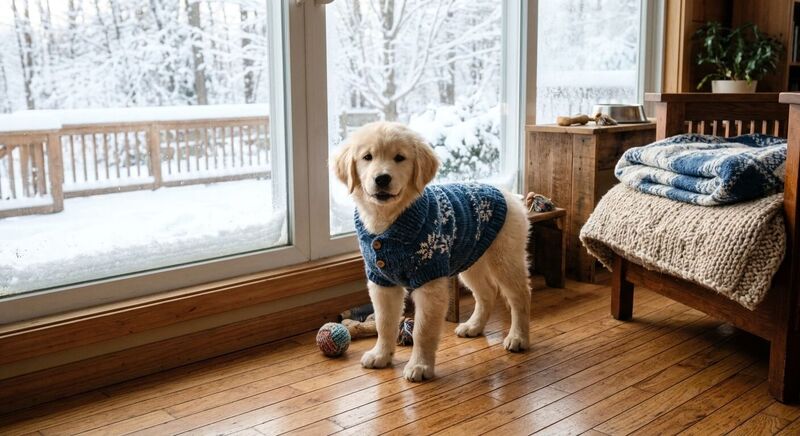
Not every breed comes equipped with a thick fur coat built for sub-zero weather. Small breeds, short-haired puppies, and young dogs often require an extra layer when going outdoors.
When buying a winter coat or sweater for your puppy, look for:
- Water-Resistant Material: Prevents snow from soaking into their fur and chilling their skin.
- Soft Interior Lining: Fleece or padded interiors help trap warmth efficiently.
- Proper Fit: Ensure the sweater fits snugly around the chest and stomach without pinching or restricting their movement.
4. Adjusting Nutrition and Hydration
Cold weather changes a dog’s energy needs. Even brief trips outside require extra calories as their body works harder to stay warm.
- Monitor Caloric Needs: If your puppy is active in the cold, they may need slightly larger meals or nutrient-dense food to fuel their metabolism.
- Keep Water Room Temperature: Indoor heating can dry out the air and lead to dehydration. Keep fresh water accessible at all times.
- Prevent Snow Eating: Do not allow your puppy to eat large amounts of snow. Consuming cold snow lowers their core body temperature quickly and can cause stomach cramps. According to expert safety guidelines from the Rescued Pets Movement, keeping your dog hydrated with fresh indoor water helps prevent them from eating harmful, potentially contaminated snow outside.
5. Modifying Walks and Indoor Play Routines
Exercise is crucial for a growing puppy, but winter demands a balance between outdoor bathroom breaks and indoor playtime.
Keep Walks Short
Instead of long walks, stick to quick 5-to-10-minute bathroom trips. On severely cold or windy days, limit outdoor time strictly to potty business.
Engage in Indoor Brain Games
When it is too cold outside, tire your puppy out indoors with engaging activities:
- Puzzle Feeders: Keeps their mind active while rewarding them with treats.
- Training Sessions: Spend 10 minutes practicing commands like “sit,” “stay,” or learning new tricks.
- Hide and Seek: Hide treats or favorite toys around the room to encourage sniffing and problem-solving.
6. Creating a Warm Indoor Sanctuary
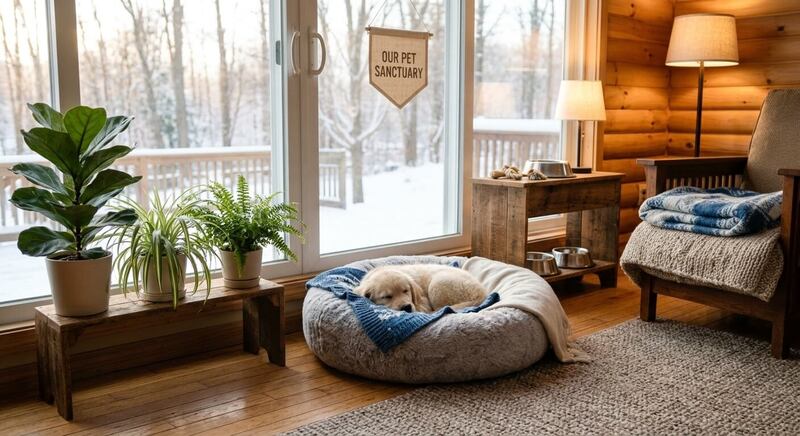
After spending time outdoors, your puppy will need a cozy place to warm up and rest.
- Reposition Their Bed: Move puppy beds away from drafty doors, cold tile, or floor-level windows.
- Provide Blankets: Soft fleece or thermal blankets allow your puppy to burrow and stay warm while sleeping. You can read more about this natural behavior in our dedicated guide on Why Dogs Love Burrowing Under Blankets (And How To Make Them Cozy)
- Watch Out for Heat Sources: Keep puppies away from open fireplaces, space heaters, and hot radiators to avoid accidental burns.
Knowing how to care for a puppy in winter allows you to enjoy the magical season while keeping your new companion safe and healthy. By protecting their paws, dressing them in warm gear, limiting outdoor exposure, and keeping them active indoors, you ensure your pup stays happy and thriving all winter long.
Ontaryo articles are collectively researched, written, and maintained by our editorial team to help you keep your pets healthy and happy. Read our editorial policy.