
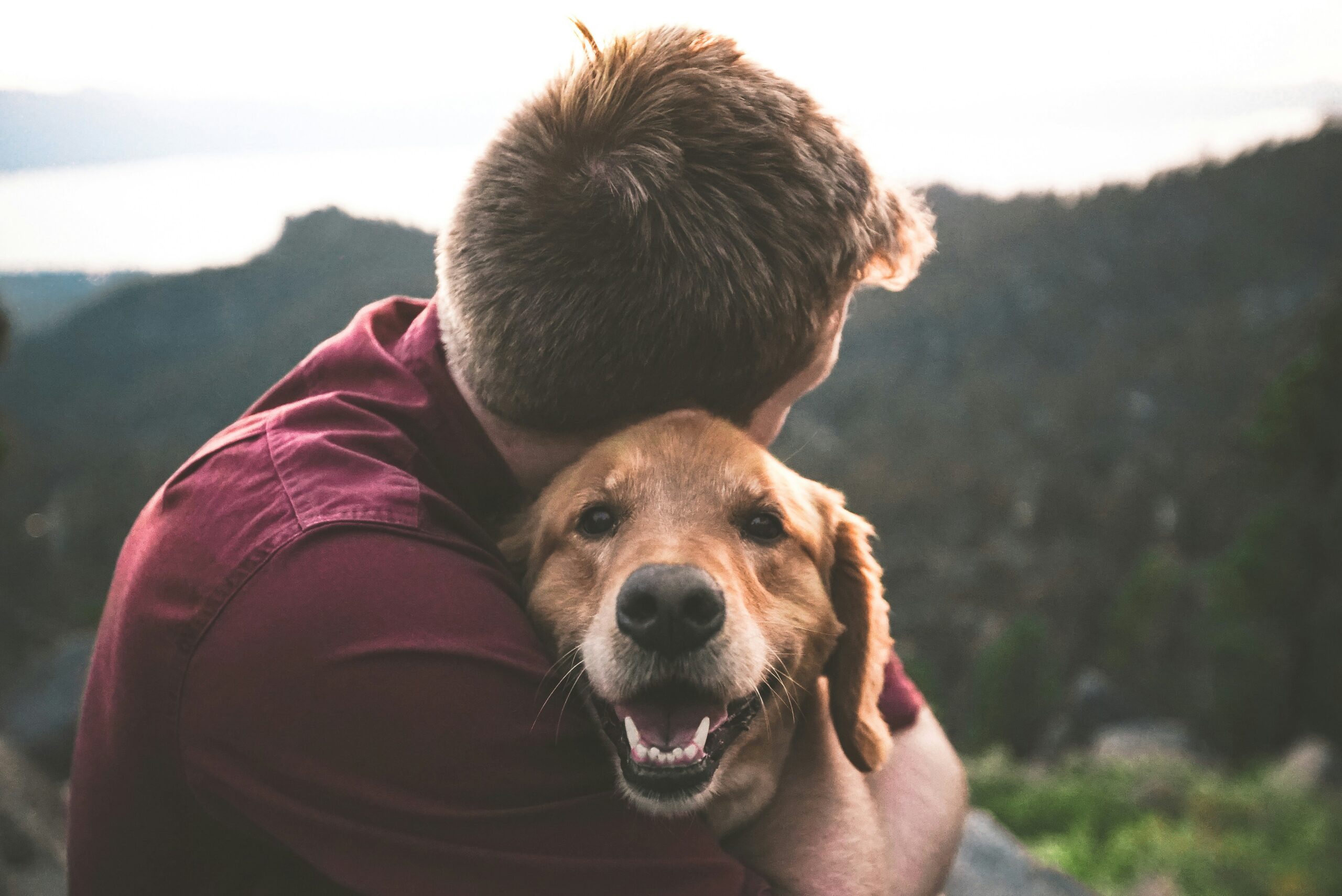
Building a strong bond with your dog takes time, patience, and consistent effort. Everyday interactions, from playtime to peaceful walks, help create trust and make life together more rewarding. Although many dogs enjoy human companionship, each dog has a unique personality and different preferences. Understanding those differences is an important part of developing a healthy relationship.
When you take thoughtful steps to strengthen the bond with your dog, you can improve communication, encourage positive behavior, and help your companion feel more secure. You do not need expensive toys or complicated training routines to get started. Simple activities, consistent expectations, and respect for your dog’s needs can make everyday life more enjoyable for both of you.
Here are five practical ways to build a closer relationship with your dog.
1. Engage in Dedicated, Distraction-Free Quality Time
Daily life can get busy, and it is easy to become distracted even when your dog is nearby. You might check your phone during a walk, work while your dog plays alone, or move through your usual routine without spending much time interacting.
Setting aside a few minutes for focused attention can make your time together more rewarding. Put away digital distractions and choose an activity your dog enjoys. The goal is not to demand constant attention from your pet but to share positive experiences and learn more about their preferences.
Practical Ways to Spend Focused Time Together
- Interactive play: Try fetch, tug with an appropriate toy, or hide-and-seek games that encourage your dog to engage with you.
- Brain games: Hide a few pieces of your dog’s regular food around a room or use a suitable puzzle toy to encourage problem-solving and natural foraging behavior.
- Short training sessions: Practice familiar cues such as sit, come, or touch, rewarding your dog for successful attempts.
- Quiet companionship: Sit comfortably together and let your dog choose whether to settle beside you or enjoy some space nearby.
Keep activities appropriate for your dog’s age, fitness, and temperament. Some dogs enjoy energetic games, while others prefer gentle play or quiet companionship. If your dog seems tired or overwhelmed, take a break rather than pushing them to continue.
If your dog needs more activity and mental stimulation, explore these exercise and enrichment ideas for high-energy dogs.
Try this today: Set aside 10 minutes for an activity your dog genuinely enjoys. Give them your attention and finish on a positive note.
2. Practice Clear, Fair, and Consistent Communication
Dogs learn about their environment through routines, body language, sounds, and the consequences of their behavior. When people in the same household use conflicting cues or enforce different rules, dogs may have difficulty understanding what is expected.
Consistent communication helps make everyday interactions more predictable. It also gives your dog clearer opportunities to learn which behaviors earn rewards.
How to Improve Communication
- Use consistent verbal cues. Choose familiar words for common behaviors. For example, use the same cue for sitting instead of frequently changing the wording.
- Pair words with clear gestures. Many dogs respond to visual signals as well as spoken cues. Introduce gestures consistently and give your dog time to understand them.
- Reward desirable behavior. When your dog responds correctly, offer a small treat, praise, or another reward they enjoy. Delivering the reward promptly helps them associate it with the behavior.
- Keep training sessions manageable. A few minutes of positive practice can be more productive than a long session that leaves your dog frustrated.
- Stay calm when mistakes happen. Avoid yelling or harsh punishment. Instead, make the desired behavior easier to understand and reward progress.
For example, if you want your dog to settle calmly when visitors arrive, practice the behavior in a quiet environment before introducing more distractions. Gradually build up the difficulty and reward calm responses.
Consistency does not mean expecting perfection. Dogs need time to learn, and their responses may vary depending on distractions, stress, and their surroundings.
Try this today: Choose one cue everyone in your household can use consistently and reward your dog whenever they respond appropriately.
3. Incorporate Gentle Grooming and Intentional Physical Touch
For dogs that enjoy physical affection, gentle petting and grooming can become positive parts of everyday life. These activities also give you an opportunity to notice changes in your dog’s coat, skin, ears, paws, or general comfort.
However, not every dog enjoys being touched in the same way. Some like being stroked along the shoulders or chest, while others are uncomfortable with hugs, paw handling, or extended grooming sessions. Let your dog’s preferences guide you.
Effective Physical Touch Techniques
- Gentle brushing: Choose a brush suitable for your dog’s coat. Begin with short sessions and use gentle movements, especially if your dog is not used to grooming.
- Comfortable petting: Start with areas your dog normally enjoys, such as the chest or shoulders, and pause regularly to see whether they want more contact.
- Gradual paw checks: If your dog is comfortable, briefly inspect their paws and nails. Introduce handling slowly and reward calm cooperation.
- Routine health checks: Look for visible changes in the coat or skin and check for dirt or irritation when appropriate. Contact your veterinarian if you notice a concerning change.
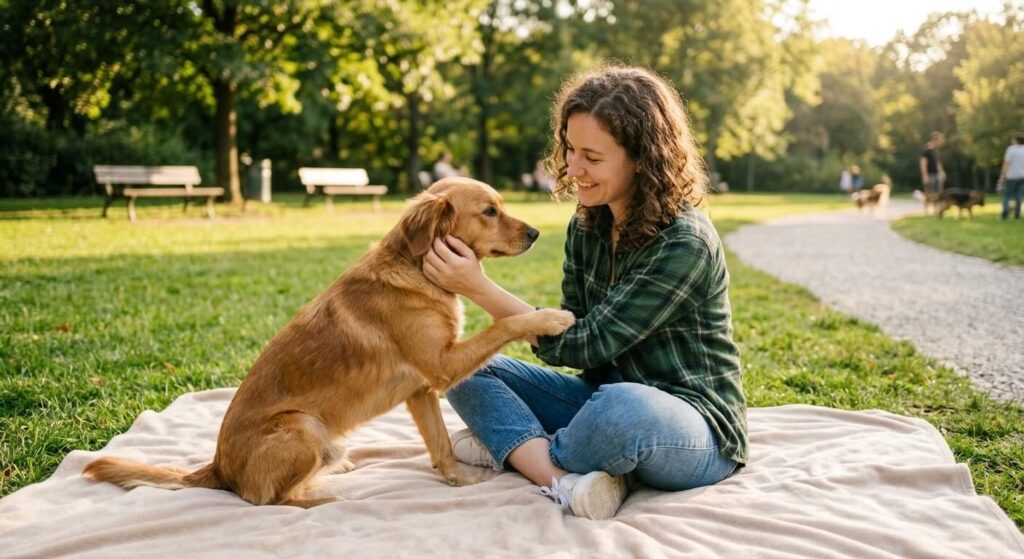
Watch your dog’s body language throughout the interaction. A relaxed posture and voluntarily moving closer may suggest comfort, while turning away, becoming stiff, or repeatedly trying to leave can indicate that your dog needs a break.
You can also pause briefly during petting and see what your dog chooses to do. If they move closer or invite more contact, you can continue gently. If they move away, respect that choice.
Never force a dog to accept a hug, massage, or grooming procedure. If your dog suddenly becomes sensitive to touch, seek veterinary advice because pain or another health problem may be responsible.
Try this today: Spend a few minutes offering gentle contact or brushing, provided your dog enjoys it. Stop if they appear uncomfortable.
4. Go on Sniffaris and Explore New Sensory Trails
Daily walks offer more than physical exercise and bathroom breaks. They give dogs opportunities to explore their surroundings, encounter new scents, and gather information about the world around them.
A sniffari is a relaxed walk that allows a dog extra time to sniff and explore safely rather than following a strict pace from beginning to end. This can be especially rewarding for dogs that enjoy investigating different smells.
Dogs rely heavily on their sense of smell, and sniffing is a natural behavior that provides mental stimulation. Allowing time for appropriate exploration can make walks more engaging and give your dog an opportunity to express normal canine behaviors.
Why Sniff Walks Can Be Beneficial
- Encourage natural exploration: Dogs can investigate scents and learn more about their surroundings.
- Provide mental stimulation: Exploring different smells gives dogs information to process and keeps walks interesting.
- Make walks less rushed: A slower pace allows your dog to explore within safe limits.
- Create shared experiences: Exploring a quiet trail or a different neighborhood route can give you both an enjoyable change of scenery.
For additional information, read the American Kennel Club’s guide to why sniff walks are so good for your dog.
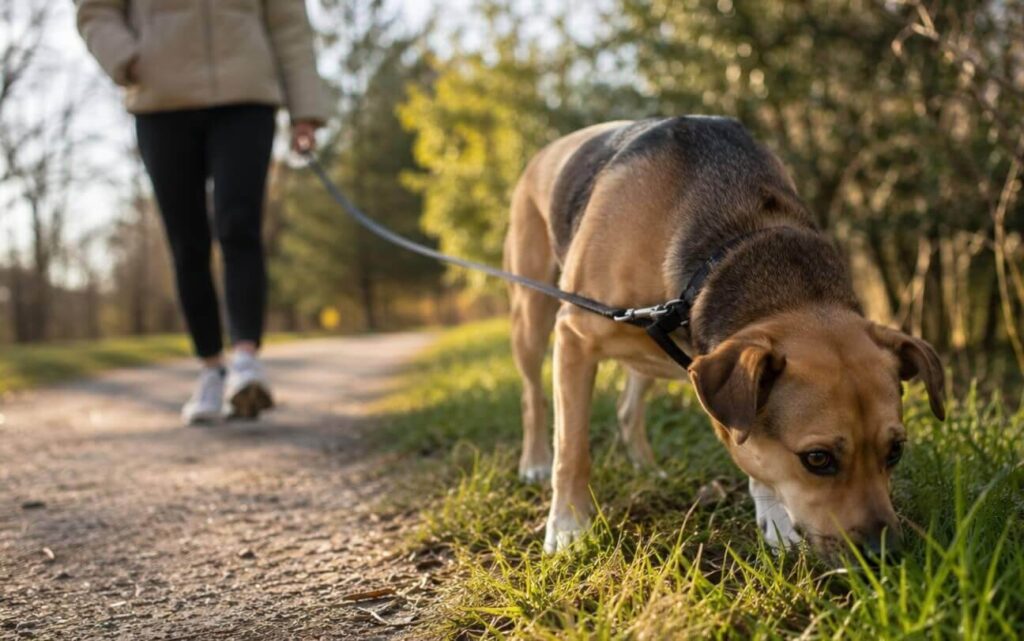
You do not need to visit a forest or travel somewhere new every day. A quiet street, grassy area, or familiar park can offer plenty of opportunities to explore. Keep your dog on a suitable leash where required, avoid unsafe or contaminated areas, and pay attention to traffic, unfamiliar animals, and other hazards.
Try this today: During your next walk, allow a little extra time for safe sniffing. Follow your dog’s interest when practical instead of rushing from one point to another.
5. Respect Your Dog’s Emotional Boundaries and Personal Space
Trust grows when dogs can interact with people without feeling pressured. Learning to recognize your dog’s body language helps you understand when they are comfortable, uncertain, or ready for a break.
Learn more about common things people do out of love that dogs may secretly dislike and how to respect your dog’s preferences.
Dogs communicate through posture, facial expressions, movement, and other signals. No single behavior always means the same thing, so consider the situation and look for several signs together.
Signs Your Dog May Be Uncomfortable
Watch for behaviors such as:
- Yawning when they are not tired.
- Repeated lip licking or tongue flicking.
- Turning their head or body away.
- Showing the whites of their eyes, sometimes called whale eye.
- Becoming stiff or freezing in place.
- Trying to move away or hide.
These signals do not automatically mean a dog is afraid, but they can indicate discomfort, particularly when they appear during unwanted handling or an unfamiliar interaction.
The American Kennel Club offers further guidance on how to recognize signs of stress in dogs.
If your dog shows signs of discomfort while being hugged, approached by strangers, or handled during grooming, give them space. Avoid forcing interaction, and never punish a dog for communicating that they are uncomfortable.
It is also important to respect your dog’s resting area. Avoid disturbing them unnecessarily while they sleep, and give them a quiet place to retreat when household activity becomes overwhelming.
If you have children, teach them to approach dogs calmly, avoid climbing on or hugging them, and leave them alone when they are eating or resting. Supervise interactions to help keep everyone safe.
Respecting these signals can help your dog feel safer around you and make everyday interactions more comfortable. Over time, your dog can learn that you respond to their needs rather than forcing them into situations they find stressful.
Try this today: Notice how your dog responds to everyday interactions. If they turn away or move away from contact, allow them to take a break.
Small Habits That Bring You Closer
A closer relationship with your dog does not depend on doing everything perfectly. It develops through ordinary moments: a walk where you allow time to explore, a short game after work, a calm grooming session, or simply sharing the same comfortable space.
Pay attention to what your dog enjoys and how they communicate. Some dogs seek plenty of physical affection, while others show their attachment by staying nearby or checking in with their owners during walks. Neither personality is inherently better than the other.
Start with one habit that fits naturally into your day and build from there. With patience, consistent care, and respect for your dog’s individual needs, you can create more opportunities for trust, comfort, and enjoyable time together.
Ontaryo articles are collectively researched, written, and maintained by our editorial team to help you keep your pets healthy and happy. Read our editorial policy.