

Bringing a black kitten home is an exciting experience, but it can take time for your new companion to feel safe and comfortable. A new environment brings unfamiliar smells, sounds, people, and routines. While you may be eager to play and cuddle, your kitten may need a little space to adjust.
Caring for a black kitten is much like caring for any other kitten. The most important things are a safe environment, suitable nutrition, gentle handling, regular grooming, and patience as your kitten learns to trust you.
Prepare a Safe Space for Your Kitten
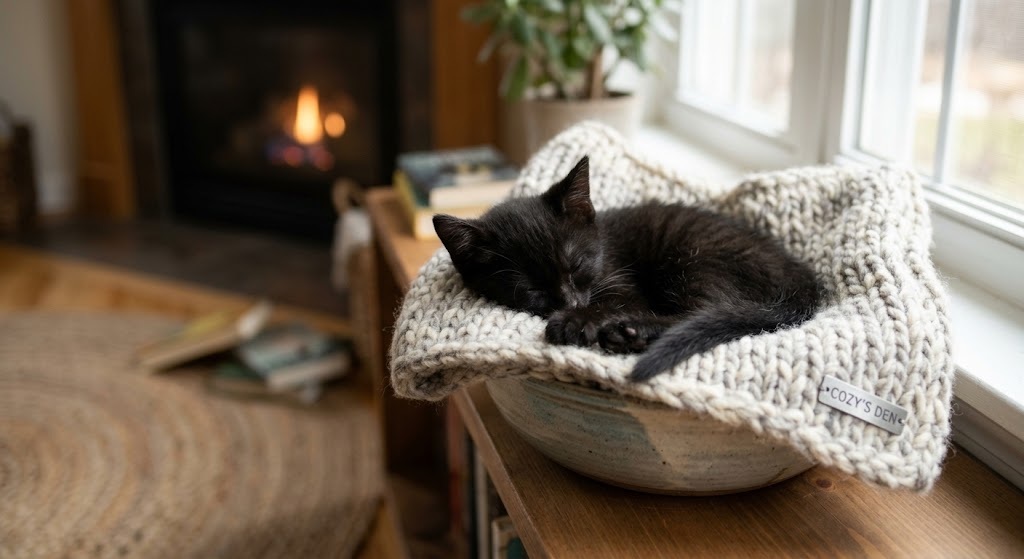
Before bringing your kitten home, choose a quiet room where it can settle without being overwhelmed. Place its food and water bowls, litter tray, comfortable bed, and a few safe toys in the room. Keep the litter tray away from food and water.
Allow your kitten to explore at its own pace. It may hide under furniture or stay in its bed during the first few days. This is not necessarily a sign that something is wrong. Avoid pulling it out of hiding or forcing interaction.
Make sure windows have secure screens, keep electrical cords out of reach, and remove toxic plants and small objects that could be swallowed. A calm, kitten-proofed space helps your new pet become familiar with its surroundings safely. For more detailed advice on helping a new kitten settle in, read International Cat Care’s kitten care guide.
Help Your Black Kitten Build Trust
Your kitten may need time before it approaches you confidently. Sit nearby, speak softly, and allow it to come to you instead of reaching for it repeatedly. Gentle play with an appropriate toy can help create positive associations without making your kitten feel trapped.
Keep daily routines predictable, especially around feeding and playtime. Avoid loud noises and sudden movements while your kitten is adjusting.
If your kitten spends a lot of time hiding, patience is usually more helpful than pressure. For more practical advice, read our guide on how to make a kitten feel safe.
Choose the Right Food and Water
Growing kittens need complete, balanced food formulated specifically for kitten growth. Follow the feeding guidance on the packaging and ask your veterinarian about suitable portions for your kitten’s age, weight, and condition.
Provide clean, fresh water at all times. Some kittens prefer their water bowl to be placed away from their food and litter tray.
If you know what your kitten ate before coming home, continue with the same food initially. If you need to change its diet, make the transition gradually to reduce the chance of digestive upset.
Monitor your kitten’s appetite and energy. A kitten that refuses food, becomes unusually weak, or develops persistent vomiting or diarrhea should receive prompt veterinary advice.
Caring for a Black Kitten’s Coat
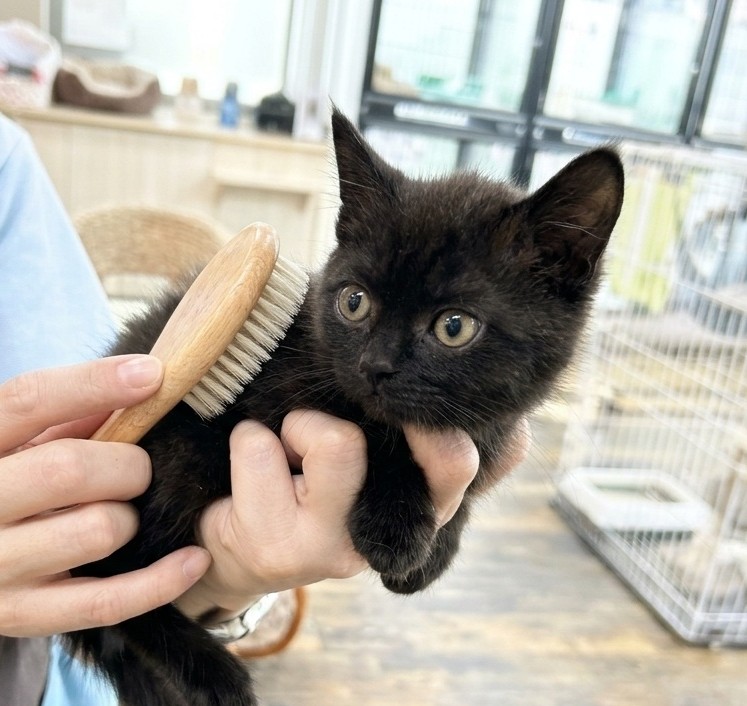
Black kittens have beautiful dark fur, but they do not require special products simply because of their color. Gentle grooming helps remove loose hair and gives you a chance to check the skin.
Short-haired kittens generally need only occasional brushing, while long-haired kittens may need more frequent grooming to prevent tangles. Use a soft brush and keep each session short and positive.
As your kitten grows, you may notice its black coat developing brownish or reddish highlights, particularly after sun exposure. Some color variation can be normal, and coat color alone does not establish whether a kitten has a nutritional problem.
Feed a balanced diet rather than adding supplements without veterinary advice. If you notice bald patches, persistent itching, sores, or sudden changes in coat condition, consult your veterinarian.
Keep Your Kitten Healthy and Comfortable
Arrange a veterinary visit to discuss vaccinations, parasite prevention, microchipping, and the appropriate timing for spaying or neutering. Your veterinarian can also check your kitten’s growth and help you establish a suitable care routine.
Keep your kitten indoors or provide secure, supervised outdoor access. Young kittens are curious and can easily wander into unsafe areas. Make sure the home is free from hazards such as toxic plants, accessible cleaning products, and unsecured windows.
Play is also an important part of healthy development. Use kitten-safe toys, offer short play sessions throughout the day, and allow your kitten plenty of time to rest. Avoid using your hands as toys, since this can encourage biting and scratching during play.
Make Grooming and Handling a Positive Experience
Getting your kitten used to gentle handling early can make future care easier. Briefly touch its paws, ears, and body only when it is relaxed, and reward calm behavior with praise or a small appropriate treat.
Never force a grooming session if your kitten becomes frightened. Stop, give it time to settle, and try again later. The aim is to help your kitten learn that handling is safe rather than something to fear.
If you want more ideas for strengthening your relationship with your pet as it grows, visit our guide on how to bond with your dog. Although it focuses on dogs, some general principles—such as patience, consistency, and positive interaction—can also be useful when building trust with pets.
Helping Your Black Kitten Feel at Home
Every kitten adjusts at a different pace. Some begin exploring within hours, while others need several days or longer before they feel comfortable. Give your kitten a safe place to retreat, maintain a predictable routine, and let trust develop naturally.
With appropriate food, gentle grooming, preventive veterinary care, and a secure environment, your black kitten can grow into a confident and healthy companion. The most important thing is to pay attention to its individual needs and allow it to settle in at its own pace.

Ontaryo articles are collectively researched, written, and maintained by our editorial team to help you keep your pets healthy and happy. Read our editorial policy.