
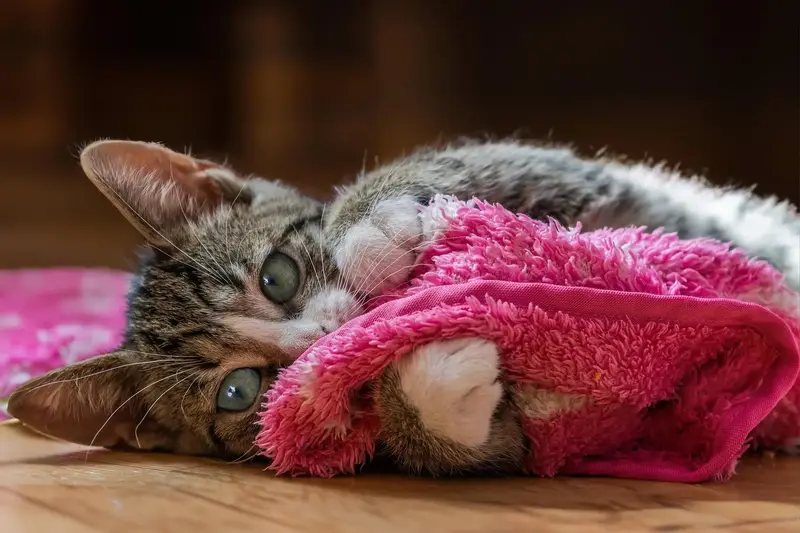
Bringing a kitten home is a wonderful experience filled with playful moments, curious discoveries, and plenty of affection. However, moving into a new environment can also feel overwhelming for a young cat. New smells, unfamiliar sounds, different people, and changes in routine may cause a kitten to hide, meow more than usual, or take time to approach its new family.
The good news is that a few thoughtful changes can help your kitten feel more comfortable and secure. From creating a cozy sleeping area to building trust through gentle interactions, you can make your home a welcoming place where your little companion can grow and thrive.
Create a Quiet and Cozy Sleeping Space
Every kitten needs a comfortable place where it can rest without being disturbed. Sleep is especially important for growing kittens, as their bodies and brains develop rapidly during their early months.
Choose a quiet corner of your home and provide a soft, washable blanket or a comfortable pet bed. Keep the area away from loud appliances, busy walkways, and places where people frequently pass by.
A small covered bed or a cardboard box with a soft blanket can offer an additional sense of security. Many cats enjoy having a sheltered place where they can observe their surroundings while feeling protected.
Make sure the sleeping area is warm but not excessively hot. Avoid placing blankets near heaters or using heating devices that could burn your kitten. Young kittens, particularly those who are very small or not yet fully weaned, may need additional care to maintain a safe body temperature.
Most importantly, allow your kitten to choose when to rest. Avoid waking it unnecessarily or carrying it away from its favorite sleeping spot just because you want to play.
Give Your Kitten Time to Explore

A new home can contain many unfamiliar things, including furniture, household noises, other pets, and different scents. Introducing everything at once may overwhelm a nervous kitten.
Instead, begin with one quiet, kitten-proofed room. Provide access to fresh water, appropriate kitten food, a litter tray, a comfortable bed, and a few safe toys. Keep food and water separate from the litter tray whenever possible.
Let your kitten explore at its own pace. It may investigate immediately, or it may prefer to hide beneath furniture for a while. Both reactions can occur during the adjustment period.
Do not pull a frightened kitten out of a hiding place unless there is an immediate safety concern. Sit nearby, speak softly, and allow the kitten to approach when it feels ready.
As your kitten becomes more confident, gradually introduce it to additional rooms and everyday household activities. A predictable environment can make this transition easier.
For more advice on preparing a safe space and helping a kitten adjust gradually, read the Cats Protection guide to bringing a new kitten home
Build Trust Through Gentle Handling
Trust develops when a kitten learns that people are safe, patient, and predictable. Rather than immediately picking up your new pet, start by sitting at its level and allowing it to investigate you.
Offer your hand for a gentle sniff. If the kitten approaches willingly, try softly stroking its cheeks or the top of its head. Watch its body language and stop if it moves away, flattens its ears, hisses, or appears uncomfortable.
Avoid chasing, grabbing, or holding a kitten tightly. Children should also learn to handle young cats gently and under adult supervision.
Some kittens enjoy being carried, while others prefer sitting beside their owners. Respecting these individual preferences helps prevent unnecessary stress and strengthens your relationship over time.
You can also learn more about feline body language and affectionate interactions in our guide, Why Cats Love Chin Scratches. Understanding where cats enjoy being touched can help you make everyday interactions more pleasant.
Building trust takes patience, especially when a kitten is still adjusting to a new home. For more practical advice, read our guide on how to gain a cat’s trust.
Establish a Consistent Feeding Routine

Food plays an important role in a kitten’s growth, energy, and overall well-being. Choose a complete and balanced food formulated specifically for kittens, as their nutritional requirements differ from those of adult cats.
Follow the feeding guidance on the product packaging and your veterinarian’s recommendations. The appropriate amount and feeding frequency depend on factors such as age, weight, health, and the type of food being offered.
Keep fresh, clean drinking water available at all times. Some kittens prefer a water bowl placed away from their food, so observe what works best for yours.
When bringing a kitten home, ask about its previous diet if possible. Keeping the familiar food initially can help make the transition easier. If you need to change the diet, introduce the new food gradually unless your veterinarian advises otherwise.
Avoid giving cow’s milk as a treat, as many cats have difficulty digesting lactose. Do not offer human foods without checking whether they are safe for cats.
A predictable feeding schedule helps your kitten become familiar with its new routine and can make mealtimes feel more reassuring.
Use Playtime to Build Confidence
Play is more than entertainment. It allows kittens to explore natural hunting behaviors, practice coordination, burn energy, and interact positively with their owners.
Offer short, regular play sessions using kitten-safe toys such as lightweight balls, soft toys, and wand toys designed for cats. Let your kitten chase, stalk, and pounce while keeping the activity appropriate for its age and energy level.
Never use your hands or feet as toys. Although this behavior may seem harmless when a kitten is small, it can encourage biting and scratching as the cat grows.
Avoid toys with loose strings, ribbons, small detachable parts, or other pieces that could be swallowed. Put away wand toys and string-based toys after supervised play.
Allow your kitten to rest whenever it becomes tired. A balanced routine of play, food, exploration, and sleep helps create a comfortable daily rhythm.
Keep the Litter Area Clean and Accessible
A clean, accessible litter tray is an essential part of helping a kitten settle into a new home. Choose a tray that is easy for your kitten to enter and place it in a quiet location where it can reach it without difficulty.
Keep the tray away from food and water bowls. Scoop waste regularly and clean the tray as needed using a cat-safe cleaning method.
If your home has multiple floors, consider providing a tray on each level. In households with several cats, additional trays can help reduce competition and stress.
Avoid punishing your kitten for accidents. Instead, check whether the tray is easy to reach, clean, and comfortable to use. Sudden changes in litter habits may indicate stress or a medical problem, so contact your veterinarian if the issue persists or your kitten seems unwell.
Recognize Signs of Stress
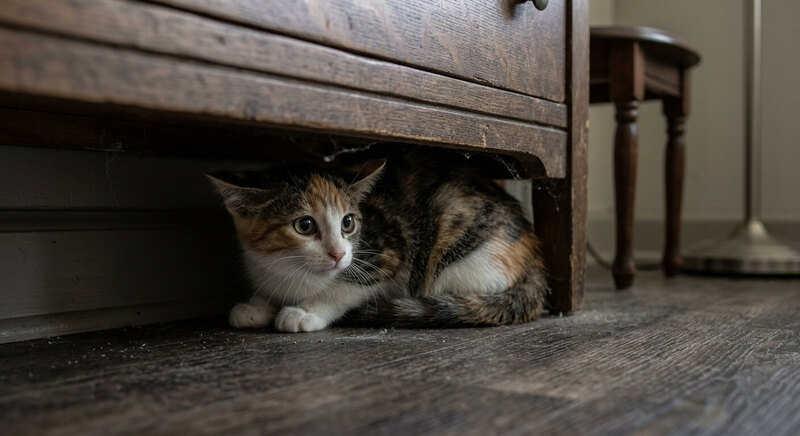
Kittens communicate through their posture, movements, vocalizations, and behavior. Learning to recognize these signals can help you respond before your kitten becomes excessively frightened.
Signs that a kitten may feel uncomfortable include hiding for extended periods, flattened ears, a tucked tail, repeated hissing, or trying to escape from handling.
Give your kitten space when it shows these signs. Reduce loud noises, limit unfamiliar visitors, and make sure a safe hiding place is always available.
Some adjustment time is normal, but a kitten should gradually become more comfortable as it learns its surroundings. A persistent lack of appetite, unusual weakness, repeated vomiting, breathing difficulties, or other concerning symptoms should not automatically be attributed to stress.
Young kittens can become unwell quickly. Contact a veterinarian promptly if your kitten is not eating, appears lethargic, or shows signs of illness. Seek urgent veterinary attention for breathing difficulties or other severe symptoms.
Make Your Home Safe for a Curious Kitten
Kittens are naturally curious and may investigate places that are not safe. Before allowing yours to explore freely, remove potential hazards from its environment.
Secure electrical cords, keep small objects out of reach, and close windows or use secure screens. Store cleaning products and medications safely. Check that houseplants are not toxic to cats, particularly lilies, which can be extremely dangerous.
For additional guidance on protecting cats from common household hazards, see the American Society for the Prevention of Cruelty to Animals (ASPCA) guide to toxic plants.
Keep washing machines, dryers, cupboards, and other enclosed spaces closed when not in use, and check them before operating appliances.
If you have other pets, introduce them gradually and supervise early interactions. Give each animal its own space, and never force them to interact.
Creating a safe environment allows your kitten to explore, play, and learn without unnecessary risks.
Summary
Helping a kitten feel safe at home is not about making every moment perfect. It is about providing a calm environment, meeting its basic needs, and giving it the freedom to build confidence at its own pace.
Start with a cozy sleeping space, fresh water, appropriate food, a clean litter tray, and gentle daily interactions. Pay attention to your kitten’s body language, keep its surroundings safe, and establish a predictable routine.
Some kittens become comfortable within a short time, while others need longer to adjust. Patience and consistency can make a meaningful difference.
With thoughtful care and positive experiences, your kitten can gradually learn that its new home is a place where it can rest, explore, play, and feel secure. If you have questions about your kitten’s health, feeding needs, or development, your veterinarian can provide advice tailored to its age and individual circumstances.
At Ontaryo, our goal is to help pet owners make informed decisions and create happier, healthier lives for their animal companions.

Ontaryo articles are collectively researched, written, and maintained by our editorial team to help you keep your pets healthy and happy. Read our editorial policy.
Comments
2 responses
[…] For more practical advice, read our guide on how to make a kitten feel safe. […]
[…] you have recently welcomed a kitten into your home, our guide on how to make a kitten feel safe offers practical tips for helping a young cat feel more […]