
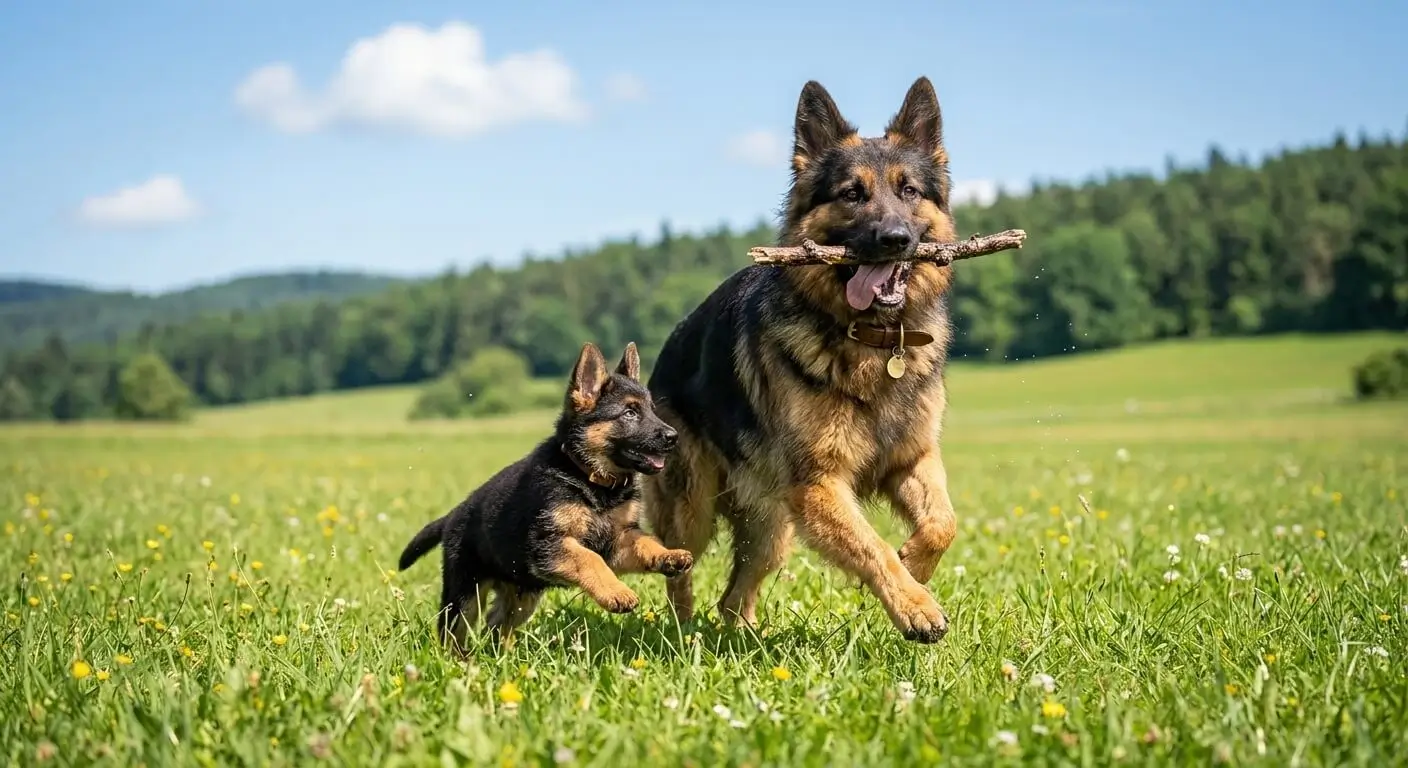
Working breeds such as German Shepherds, Belgian Malinois, Border Collies, and Australian Shepherds are known for their energy, focus, and ability to learn. These dogs often benefit from a daily routine that combines physical exercise, mental stimulation, and enough time to rest. Meeting the needs of an active working breed takes more than a long walk.
Without appropriate outlets for their energy and natural behaviors, some dogs may become restless, bark excessively, dig, or chew household items. A balanced routine that combines physical activity, reward-based training, sniffing opportunities, and adequate rest can help support their well-being and strengthen the bond they share with their owners.
Meeting the needs of an active working breed takes more than a long walk. Without appropriate outlets for their energy and natural behaviors, some dogs may become restless, bark excessively, dig, or chew household items. A balanced routine that combines physical activity, reward-based training, sniffing opportunities, and adequate rest can help support their well-being and strengthen the bond they share with their owners.
Physical Exercise and Mental Stimulation: Why Dogs Need Both
A long walk can be valuable, but physical activity is only one part of a working dog’s daily routine. Dogs also benefit from opportunities to explore their surroundings, learn new skills, solve simple problems, and use their sense of smell.
Mental enrichment can make everyday activities more engaging and provide an appropriate outlet for natural behaviors. However, it does not replace physical exercise. The most useful routine combines activities suited to the individual dog rather than relying on running alone or expecting puzzle games to meet every need.
If your dog has plenty of energy and needs more structured activities, our guide to high-energy dog exercise tips offers additional ideas for combining movement and mental engagement.
Designing an Effective Daily Exercise Routine
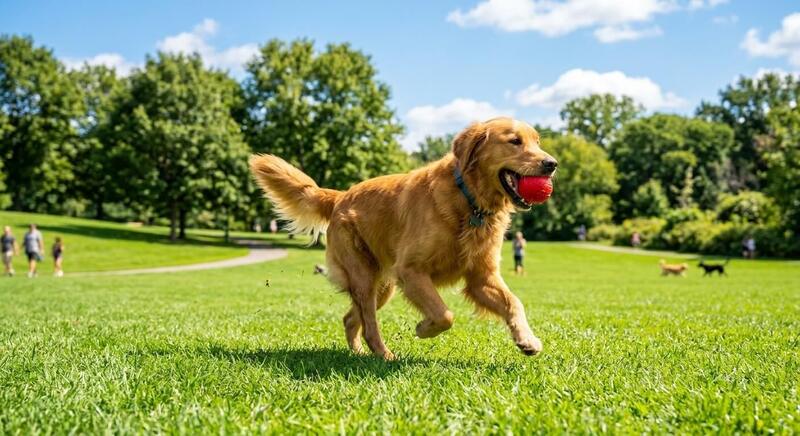
A suitable routine may include controlled games, walks that allow sniffing, short training sessions, and opportunities for relaxed play. The right mix depends on your dog’s fitness, age, health, and previous experience with exercise.
Structured Exercise and Fetch Games
Fetch can provide enjoyable movement for dogs that like retrieving toys. To make the game more engaging, ask your dog for a simple cue, such as a sit or a brief wait, before throwing the toy. Reward calm behavior and allow breaks between repetitions.
Avoid repeatedly throwing a ball until your dog is exhausted. Fast acceleration, sudden stops, and sharp turns can place stress on joints, particularly when a dog is unfit or the surface is slippery. Choose a safe area, provide water and rest breaks, and stop if your dog shows discomfort or unusual fatigue.
Scent Work and Natural Exploration
Dogs use their sense of smell to investigate and understand their environment. Walks that allow safe sniffing, searching for hidden treats, or finding a favorite toy can add variety to a dog’s day.
These activities do not require expensive equipment. Start by hiding a few treats in easy-to-find places around a room or scattering part of your dog’s regular food over a clean patch of grass. Let your dog search at a comfortable pace and make the task gradually more challenging as their confidence grows.
The American Kennel Club’s guide to teaching scent work at home explains how owners can introduce simple scent-identification activities and build on them gradually.
Age-Appropriate Exercise for Puppies
Puppies are still growing, so their exercise needs differ from those of mature working dogs. Keep play sessions manageable and allow frequent opportunities to rest. Avoid forcing a puppy to run long distances or repeatedly perform high-impact jumps, especially on hard surfaces.
Choose gentle play, short exploration walks appropriate for the puppy’s age and vaccination guidance, and brief positive-reinforcement training sessions. Puppies should be allowed to pause when tired rather than being encouraged to keep up with an adult dog.
If you are unsure how much exercise is suitable for your puppy, ask your veterinarian for advice based on the puppy’s breed, development, and health.
Brain Games to Challenge Your Dog Indoors
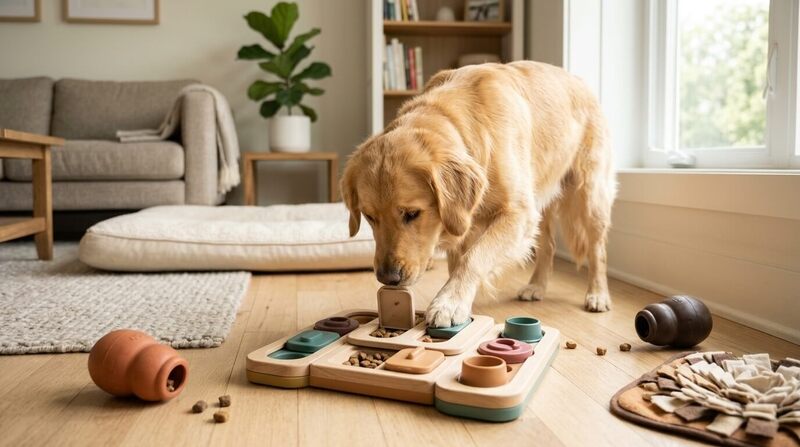
Rainy weather, hot conditions, or a busy schedule may limit outdoor activity on some days. Indoor enrichment can provide useful alternatives, provided the activities are safe and suited to your dog’s habits.
- Hide-and-Seek Games: Hide a favorite toy or a few treats in easy-to-find locations and encourage your dog to search. Supervise the activity and avoid hiding objects where your dog could become trapped or swallow something unsafe.
- Food Puzzles: Use a suitable puzzle feeder or durable food-dispensing toy to make mealtimes more engaging. Begin with an easy option so your dog can succeed without becoming frustrated.
- Short Training Sessions: Practise familiar cues or teach a simple new behavior using small rewards. Keep sessions positive and finish before your dog loses interest.
- Toy Cleanup: Teach your dog to pick up a familiar toy and place it in a basket. Break the task into small steps and reward progress.
For additional guidance, read VCA Animal Hospitals’ article on enrichment and foraging toys for pets. Choose toys that are appropriately sized and durable, supervise your dog when introducing something new, and remove any item that breaks or sheds pieces.
Social Experiences, Training, and Building Trust
Working breeds can benefit from consistent training and positive experiences with people, environments, and other suitable dogs. However, not every dog enjoys the same level of social contact, and interaction with another dog should never be forced.
When introducing dogs, choose a safe setting and supervise their interactions. Watch their body language and provide enough space for either dog to move away. A calm, well-matched adult dog may offer a puppy opportunities to practise social skills, but one dog’s presence cannot guarantee that a puppy will develop appropriate behavior in every situation.
Training also provides an opportunity to build communication and trust. Reward-based methods, predictable routines, and activities your dog enjoys can help strengthen your relationship. For more practical ideas, read our guide on how to bond with your dog.
Balance Activity with Rest and Recovery
Even energetic dogs need time to rest. A routine that includes too much intense activity and too few breaks can leave a dog overtired or increase the risk of injury. Alternate more active sessions with calmer activities, and adjust the routine when the weather is hot or your dog seems less comfortable than usual.
Stop exercising if your dog shows unusual weakness, limping, difficulty breathing, disorientation, or signs of overheating. Seek veterinary advice promptly if symptoms are severe, sudden, or persistent.
Remember that behavior changes do not always mean a dog needs more exercise. Pain, illness, stress, and other factors can also affect activity and behavior. If your dog’s energy level changes noticeably or they struggle to settle despite an appropriate routine, discuss the change with your veterinarian.
Key Takeaways for Working Breed Owners
- Working breeds often benefit from a combination of physical activity, mental enrichment, training, and rest.
- Scent games, food puzzles, and short training sessions provide useful ways to engage a dog’s mind.
- Puppies need age-appropriate, manageable activity while their bodies continue to develop.
- Positive training and carefully managed social experiences can help build confidence and strengthen communication.
- Exercise plans should reflect each dog’s health, fitness, age, and individual needs.
Providing a thoughtful balance of movement, exploration, learning, and recovery can help your working-breed dog enjoy a more engaging daily routine. Pay attention to your dog’s responses, make adjustments when needed, and consult a veterinarian if you have concerns about exercise tolerance or changes in behavior.
Ontaryo articles are collectively researched, written, and maintained by our editorial team to help you keep your pets healthy and happy. Read our editorial policy.