
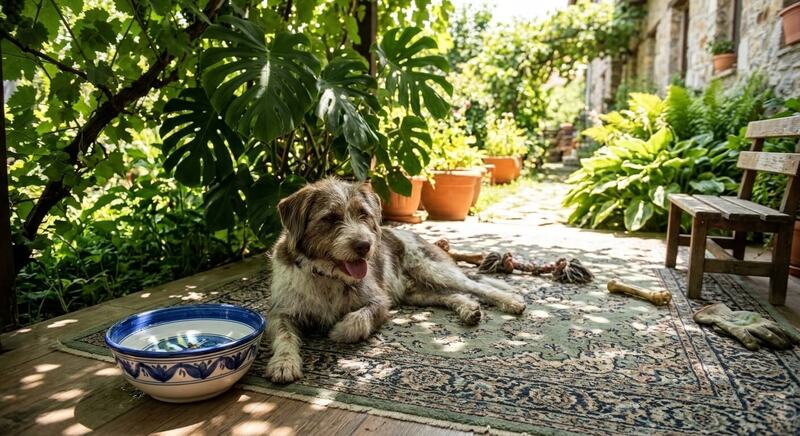
Bright sunny days, blooming gardens, and long afternoons outdoors are wonderful for pet owners, but summer heat poses serious biological challenges for our canine companions. Whether you have a double-coated Pembroke Welsh Corgi or a small terrier mix, warm weather requires proactive care to keep your pets safe, happy, and hydrated.
Unlike humans, who regulate body temperature by sweating through their skin, dogs primarily rely on panting and moisture evaporation from their paw pads to cool down. When ambient temperatures rise alongside high humidity, this natural cooling system becomes far less efficient.
In this comprehensive guide, we will explore the science of canine thermoregulation, examine how different breeds handle heat, and share actionable outdoor strategies to protect your furry family members all season long.
1. Understanding Canine Thermoregulation and Heat Risk
According to clinical resources from the American Veterinary Medical Association (AVMA), a dog’s normal internal body temperature ranges between 101°F and 102.5°F (38.3°C to 39.2°C). Because dogs lack sweat glands over the majority of their bodies, panting is their primary method of heat exchange.
When a dog pants, rapid air movement over the moist surfaces of their tongue, mouth, and upper respiratory tract allows water to evaporate, cooling the blood passing through those tissues. However, when the surrounding air temperature approaches or exceeds a dog’s internal body temperature, panting alone is no longer enough to prevent heat stress.
High-Risk Breed Types:
- Short-Muzzled (Brachycephalic) Breeds: Pugs, Bulldogs, and Boxers struggle to move air efficiently due to narrowed airways.
- Double-Coated Breeds: Dogs such as Huskies, Corgis, and Golden Retrievers have coats that help insulate them from both cold and heat. Regular brushing helps remove loose fur and maintain coat health. Avoid shaving a double-coated dog unless your veterinarian recommends it for a specific medical reason.
- Small or Senior Dogs: Toy breeds and elderly dogs often have reduced cardiovascular efficiency, making them more vulnerable to rapid temperature spikes.
2. Essential Outdoor Summer Safety Strategies
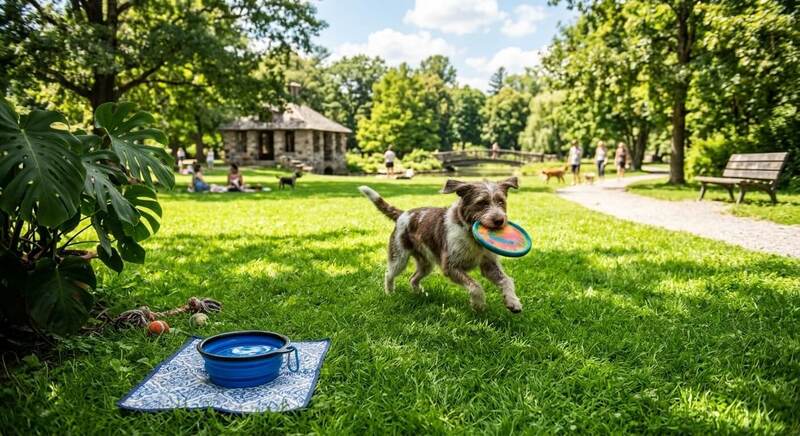
Enjoying the outdoors safely during peak summer months requires a combination of hydration, shade, and smart scheduling.
A. Time Your Walks Wisely
Avoid walks and strenuous outdoor activities during the hottest parts of the day. Whenever possible, walk your dog early in the morning or later in the evening, when temperatures and ground surfaces are cooler. Adjust your routine according to the weather, humidity, and your dog’s age, breed, and health.
B. Test the Pavement Temperature
Asphalt and concrete absorb and retain heat far longer than natural grass or soil. Before stepping out with your dog, perform the 7-second palm test: press the back of your bare hand firmly against the pavement for seven seconds. If it is uncomfortable or too hot for your hand, it will blister your dog’s sensitive paw pads.
C. Provide Continuous Hydration and Shade
When spending time in the yard or garden, ensure your dogs always have access to clean, fresh water and deep shade provided by trees, awnings, or covered patios. Adding ice cubes to outdoor water bowls helps maintain a refreshed temperature throughout the day. For more tips on outdoor exercise routines, visit our guide on Daily Dog Exercise Cues and Safety.
3. Recognizing Early Signs of Overheating
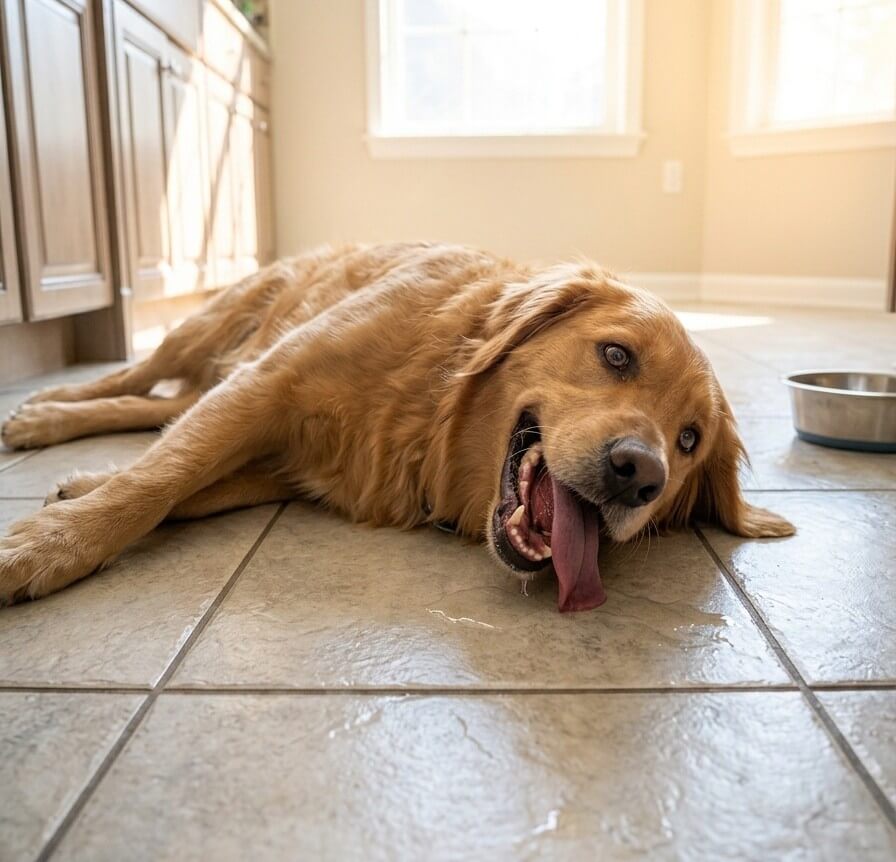
Early intervention is critical when dealing with heat-related illness. Knowing the subtle indicators of thermal stress can save your dog’s life.
Watch for These Symptoms:
- Heavy, frantic panting accompanied by bright red or pale gums
- Excessive drooling with thick, sticky saliva
- Lethargy, weakness, or refusal to keep walking
- Wide, glassy eyes or disorientation
If you notice any of these signs, move your dog immediately into an air-conditioned room or deep shade, offer small sips of cool (not ice-cold) water, and apply lukewarm, damp towels to their paws, belly, and armpits.
Summer is a fantastic time to create lasting memories with your dogs, but heat safety should always remain a top priority. By adjusting your daily routine, watching for signs of exhaustion, and providing adequate shade and water, you can keep your pets safe and thriving all summer long.
Ontaryo articles are collectively researched, written, and maintained by our editorial team to help you keep your pets healthy and happy. Read our editorial policy.