
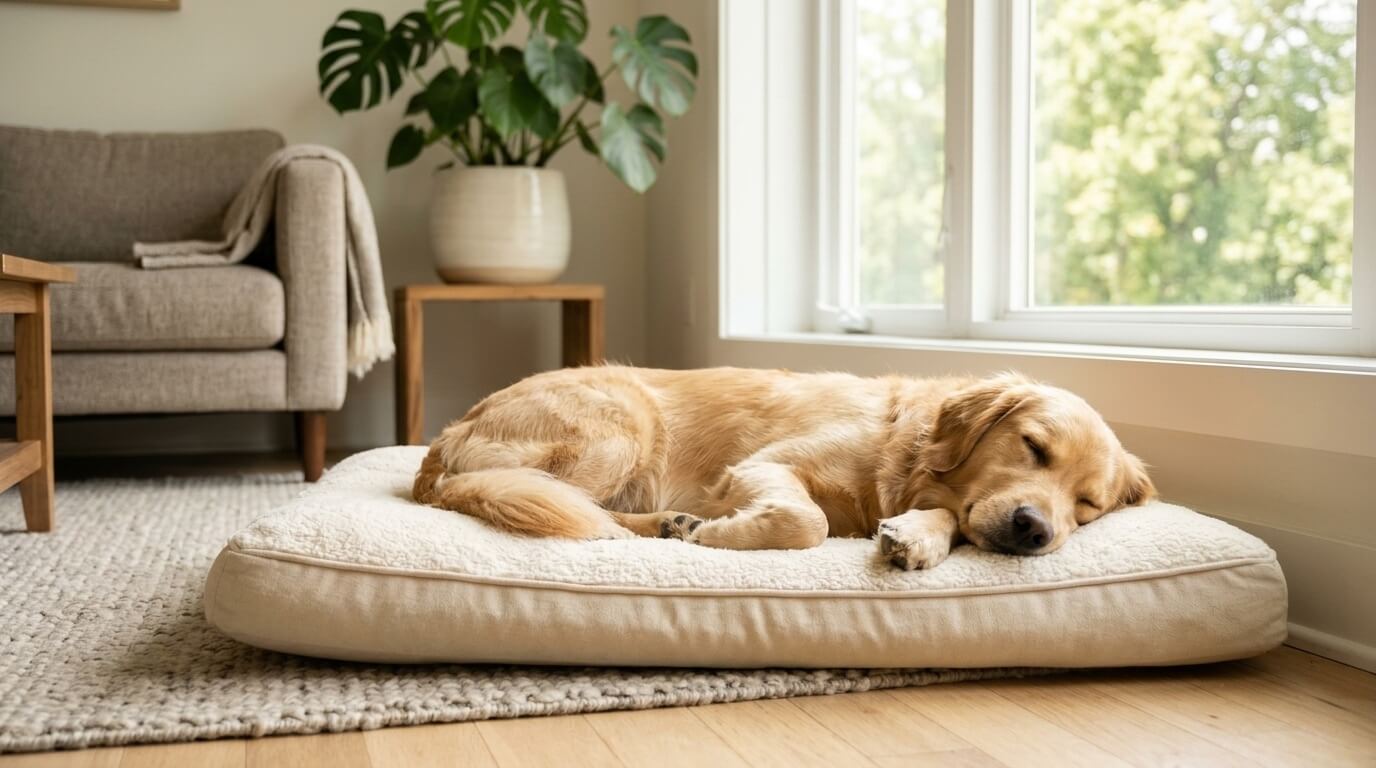
If you share your home with a dog, you have likely paused mid-afternoon to watch them curled up in a sunbeam or stretched out across the rug, wondering how a creature can snooze for hours on end. Whether they are dozing lightly after a quick walk or fast asleep on their favorite cushion, canine companions devote a substantial part of their existence to rest.
While a human sleeping twelve hours every single day might raise health concerns, for a dog, it is completely natural behavior. A dog’s need for sleep is tied directly to their biological heritage, physical development, and everyday environmental cues. Understanding these underlying mechanics helps pet owners provide better care and distinguish between peaceful daily relaxation and potential health issues.
The Biological Reality of Canine Rest Patterns
To understand why dogs sleep so much, it helps to look at how their sleep cycles differ from ours. Humans generally follow a single long sleep phase during the night, remaining awake throughout the daytime hours. Dogs, on the other hand, are natural polyphasic sleepers. They break their daily rest into multiple short sessions spread over a twenty-four-hour cycle.
An average healthy adult dog sleeps or rests anywhere between twelve and fourteen hours a day. However, this resting period is rarely continuous. Dogs quickly drift into light sleep when nothing exciting is happening, but they are equally quick to wake up the moment they hear a rustling snack bag or a door opening.
This sleeping style stems from wild ancestors who needed to save physical energy between hunts and remain perpetually alert to changes in their environment.
Primary Factors That Change How Long a Dog Sleeps
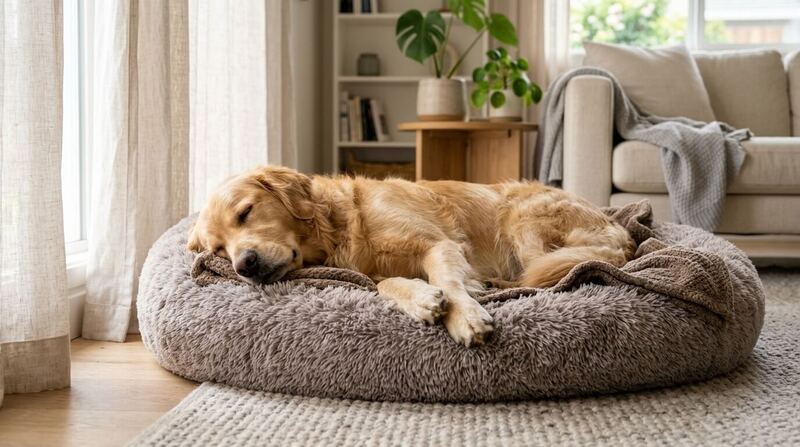
Not every dog follows the same routine. Several key biological and lifestyle factors influence exactly how many hours your pet will spend resting on any given day.
Age and Developmental Needs
Age plays a massive role in canine energy levels. Growing puppies consume tremendous amounts of physical energy while exploring their environment, developing bone structure, and building immune resilience. As a result, puppies often sleep up to eighteen or twenty hours a day.
On the other end of the spectrum, senior dogs experience natural physical wear, joint stiffness, and lower metabolic rates, leading them to sleep much longer than young adult dogs.
Breed Characteristics and Physical Size
Physical build and breed genetics heavily impact daily stamina. Giant breeds like Mastiffs, Great Danes, and Saint Bernards generally require far more sleep than smaller breeds, largely due to the massive physical energy required to support their body mass.
Conversely, working breeds like Border Collies or Australian Shepherds remain alert longer, provided they are given constant mental tasks and physical exercise.
Daily Stimulation and Nutrition
Boredom is a frequent reason why domestic dogs sleep during daytime hours. If a dog lacks sufficient mental games, physical exercise, or human interaction, they simply snooze to pass the time.
Additionally, diet plays a supporting role; dogs fed nutrient-dense foods maintain stable energy curves, whereas poor nutrition can cause sluggishness and digestive fatigue.
For further insights into professional veterinary guidelines regarding rest and daily activity, you can check medical explanations on PetMD or explore detailed sleep health guides on VCA Animal Hospitals.
Regular physical activity and mental stimulation can help dogs maintain a balanced daily routine. The right amount of exercise depends on your dog’s age, health, and energy level. If you have an energetic dog that needs more engagement throughout the day, explore our guide to high-energy dog exercise tips for practical ideas.
Do Dogs Dream While They Sleep?
If you have ever noticed your dog twitching their paws, moving their muzzle, or letting out soft muffled sounds while asleep, you have witnessed the REM (Rapid Eye Movement) phase of canine sleep.
Just like humans, dogs progress through NREM (Non-Rapid Eye Movement) light sleep before settling into deep REM sleep. NREM sleep lowers the heart rate and relaxes muscle groups, allowing physical tissues to repair. Once the dog transitions into REM sleep—typically about twenty minutes after dozing off—brain activity spikes.
During REM sleep, dogs replay memories, refine behavioral learning, and dream vividly about familiar daily activities, such as running through open fields or retrieving toys.
Designing a Safe and Restful Sleep Environment
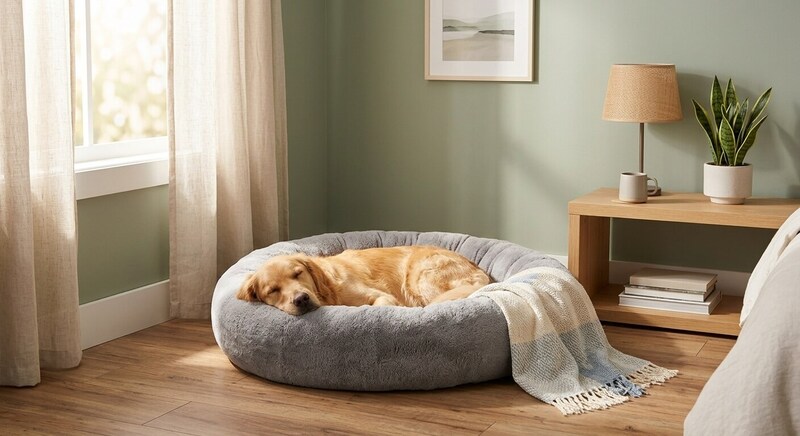
Quality sleep directly influences a dog’s emotional mood, stress levels, and joint health. Creating an optimized rest spot ensures your dog gets the full restoration they need.
- Supportive Orthopedic Bedding: Providing memory foam cushions relieves joint friction and pressure points, which is especially important for senior pets or breeds prone to hip issues.
- Low-Distraction Spaces: Place your dog’s bed in a peaceful, low-traffic area away from loud doorways, noisy kitchen appliances, or active hallways.
- Balanced Climate Control: Make sure the resting zone is protected from cold floor drafts while allowing access to shade or cool airflow during warmer seasons.
Distinguishing Natural Rest from Health-Related Lethargy
While heavy sleeping is routine for dogs, sudden changes in behavior should always be evaluated carefully. True lethargy differs from ordinary sleepiness and is often accompanied by physical discomfort or underlying illness.
Warning Signs to Watch For:
- Unexplained Behavioral Shifts: A normally energetic dog suddenly sleeping more than twenty hours a day with zero interest in walks or food.
- Disorientation: Difficulty waking up, confusion, or weakness when trying to stand up.
- Physical Discomfort: Persistent whining, heavy panting while lying down, or rigid body posture during rest.
If you observe persistent or sudden changes in your pet’s energy levels, behavior, or appetite, consult a licensed veterinarian promptly to rule out any underlying medical conditions. Maintaining a structured daily schedule can also help stabilize your dog’s rest patterns—learn more about balancing your daily routine in our guide on working from home with your dog.
Essential Takeaways for Dog Owners
- Adults dogs normally sleep between twelve and fourteen hours daily as part of their biological rhythm.
- Puppies and senior dogs require significantly more sleep to support growth or body recovery.
- Interactive play, physical exercise, and a quiet bedding space promote healthy, deep sleep.
- Sudden drops in daily activity accompanied by appetite loss warrant a professional veterinary consultation.
By keeping track of your pet’s rest patterns and ensuring they have a quiet, comfortable space to recharge, you help them enjoy a happier, healthier life by your side.
Ontaryo articles are collectively researched, written, and maintained by our editorial team to help you keep your pets healthy and happy. Read our editorial policy.