

Some cats are naturally quiet, while others seem to meow throughout the day. Your cat may greet you at the door, ask for food, follow you around the house, or make noises when you are trying to relax. But why is your cat so vocal, and what is it trying to communicate?
Cats use vocalization to express their needs, emotions, and reactions to their surroundings. Understanding the situation and your cat’s body language can help you recognize whether it wants attention, feels stressed, or may need help.
Common Reasons Your Cat Is So Vocal
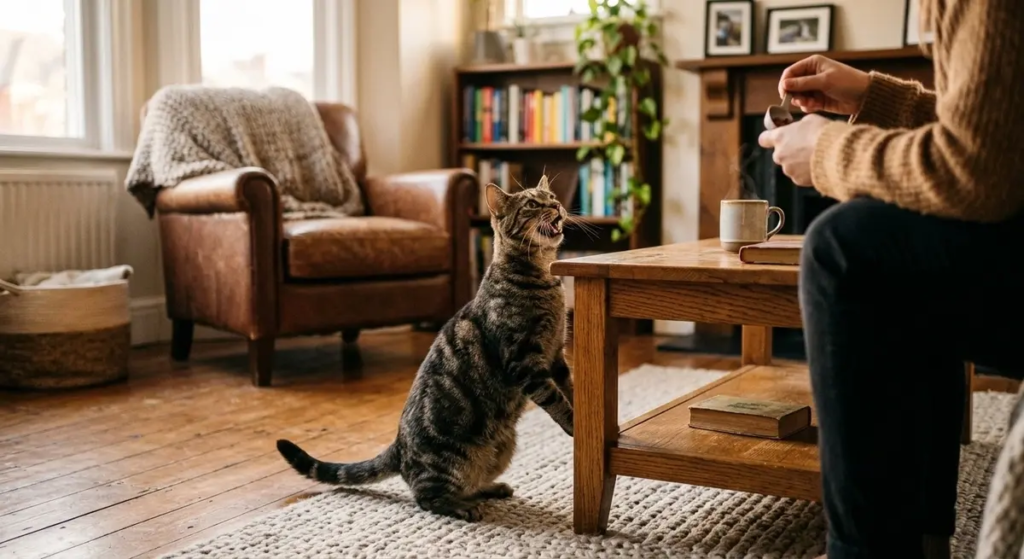
One of the most common reasons cats meow is to ask for food, water, or attention. If your cat regularly meows near its food bowl or around mealtime, it may have learned that vocalizing gets your attention.
Some cats are also more social than others. They may meow to greet their owners, ask to play, or simply interact with the people they trust. Providing regular playtime and attention can help meet these social needs.
Boredom can also lead to excessive meowing. Indoor cats need opportunities to explore, climb, scratch, and play. Interactive toys, scratching posts, and comfortable window perches can help keep your cat mentally and physically stimulated.
Stress and Changes in Your Cat’s Environment
Cats often prefer familiar surroundings and predictable routines. Moving to a new home, introducing another pet, or changing daily habits may cause a cat to become more vocal.
If your cat seems nervous or unsettled, provide a quiet place where it can rest safely. Introduce changes gradually and give your cat time to adjust.
If you have recently welcomed a kitten into your home, our guide on how to make a kitten feel safe offers practical tips for helping a young cat feel more comfortable.
What Different Cat Sounds May Mean
Not all cat sounds communicate the same thing. A short meow may be a greeting or a request, while chirping and trilling often occur during friendly interactions or when a cat notices something interesting.
Purring commonly occurs when a cat is relaxed, but it can also happen when a cat feels stressed or unwell. Hissing and growling usually indicate fear, discomfort, or a desire for space.
Loud, prolonged crying or yowling may be related to stress, territorial behavior, mating behavior, or physical discomfort. Pay attention to your cat’s body language and the circumstances surrounding each sound.
For more information, you can read PetMD’s guide to common cat sounds.
Why Does My Cat Meow at Night?
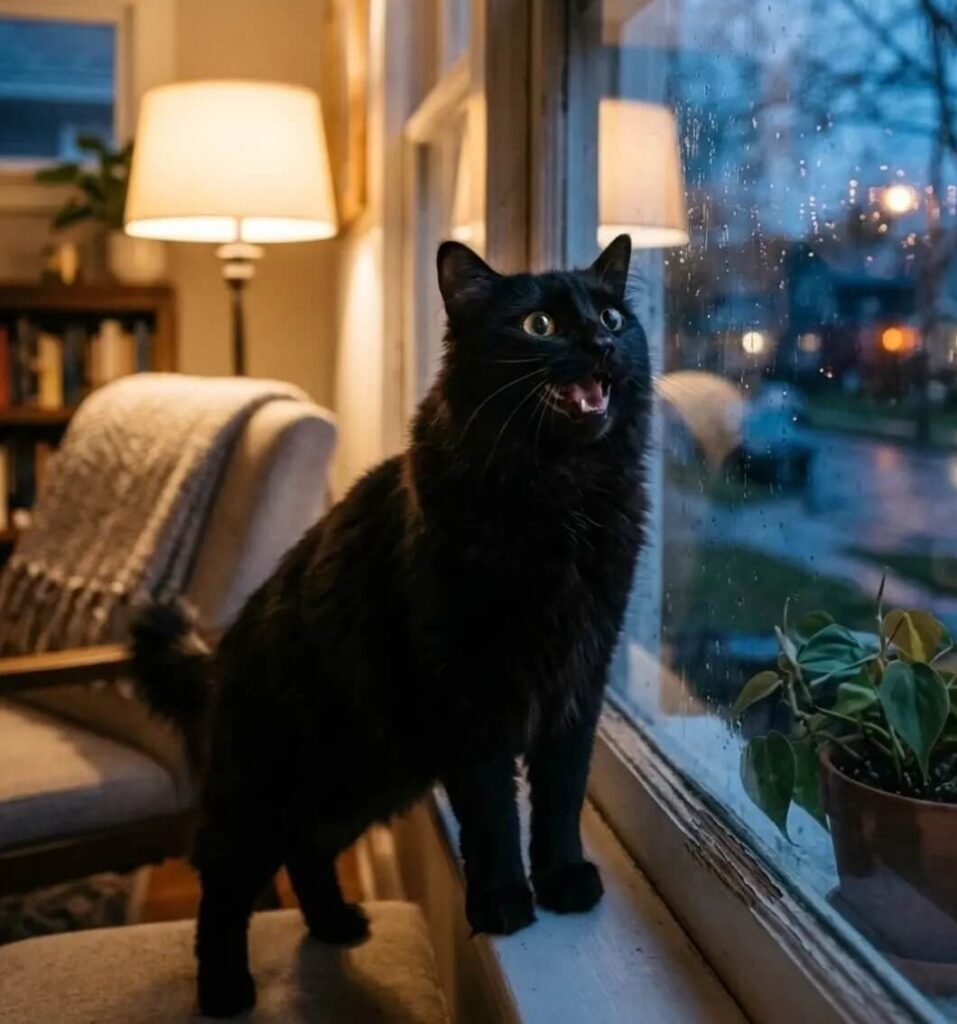
Cats may become vocal at night because they are hungry, bored, seeking attention, or responding to sounds outside. Some cats are naturally more active during the evening and early morning.
Try scheduling a play session before bedtime and maintaining a consistent feeding routine. Make sure your cat has access to fresh water, a clean litter box, and a comfortable place to sleep.
If nighttime crying starts suddenly, becomes unusually intense, or occurs in an older cat, consult a veterinarian to rule out an underlying health problem.
When Should You Be Concerned About Excessive Meowing?
Although frequent meowing is often normal, a sudden change in your cat’s vocal behavior should not be ignored. Pain, illness, age-related changes, and other medical issues can sometimes cause increased vocalization.
Watch for additional signs such as reduced appetite, increased thirst, weight loss, hiding, changes in litter box habits, or unusual aggression.
If your cat is suddenly much more vocal than usual, arrange a veterinary examination. Seek urgent care if your cat has difficulty breathing, collapses, or repeatedly strains to urinate without producing urine.
How to Respond to a Vocal Cat
Start by checking your cat’s basic needs, including food, water, comfort, and access to a clean litter box. Then consider whether it needs more interaction, stimulation, or a calmer environment.
Avoid shouting at or punishing your cat for meowing. Instead, establish a predictable routine, provide regular playtime, and reward calm behavior when appropriate.
It can also help to notice when the vocalization occurs and what happens immediately beforehand. These patterns may reveal whether your cat is asking for something specific or reacting to a change in its environment.
Understanding Your Cat’s Vocal Behavior
A vocal cat is not necessarily an unhappy cat. Meowing, purring, chirping, and other sounds are normal ways cats communicate with people and their surroundings.
By learning your cat’s usual habits and paying attention to changes in its behavior, you can better understand its needs and provide appropriate care. If excessive vocalization appears suddenly or is accompanied by other concerning symptoms, a veterinarian can help identify the cause.

Ontaryo articles are collectively researched, written, and maintained by our editorial team to help you keep your pets healthy and happy. Read our editorial policy.