
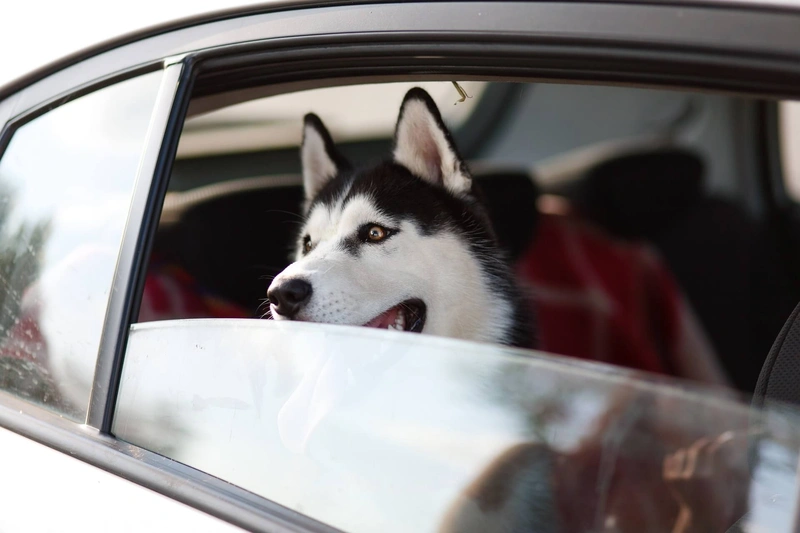
Have you ever noticed your dog getting excited as soon as you pick up your car keys? Some dogs wag their tails, run toward the door, or eagerly jump into the car. For them, a journey means new smells, interesting sights, and spending time with their favorite people.
However, not every dog enjoys traveling. Some feel nervous or experience motion sickness. Understanding your dog’s behavior can help make car rides more comfortable, enjoyable, and safe.
Why Do Dogs Love Car Rides?
New Smells and Sights
Dogs explore the world primarily through their sense of smell. During a car ride, they encounter a variety of scents from parks, streets, other animals, and unfamiliar places. These changing smells can provide mental stimulation and make the journey exciting.
The moving scenery and sounds may also interest curious dogs, although every dog reacts differently to these experiences.
Spending Time With Their Owners
Many dogs enjoy being close to their families. A car ride allows them to stay with their favorite people while experiencing something different from their normal routine.
Dogs can also learn to associate car rides with positive experiences, such as visiting a park, going for a walk, or exploring a new place. Over time, the sound of car keys may become a signal that something enjoyable is about to happen.
Why Some Dogs Dislike Car Rides
Not all dogs feel comfortable in a moving vehicle. Motion sickness can cause nausea, drooling, and vomiting, particularly in puppies. Anxiety may also develop if a dog associates car travel with unpleasant experiences, such as stressful veterinary visits.
If your dog seems nervous, begin with short sessions in a stationary car. Allow them to explore at their own pace and reward calm behavior. Gradually introduce the engine sound and short drives when they appear comfortable.
Avoid forcing your dog to continue if they show significant distress. If they repeatedly vomit or become extremely anxious, consult your veterinarian. The American Kennel Club’s guide to car sickness and anxiety offers additional advice.
How to Keep Your Dog Safe in the Car
Even a dog that loves traveling needs proper protection. An unrestrained pet can distract the driver or be injured during sudden braking.
Use Appropriate Restraints
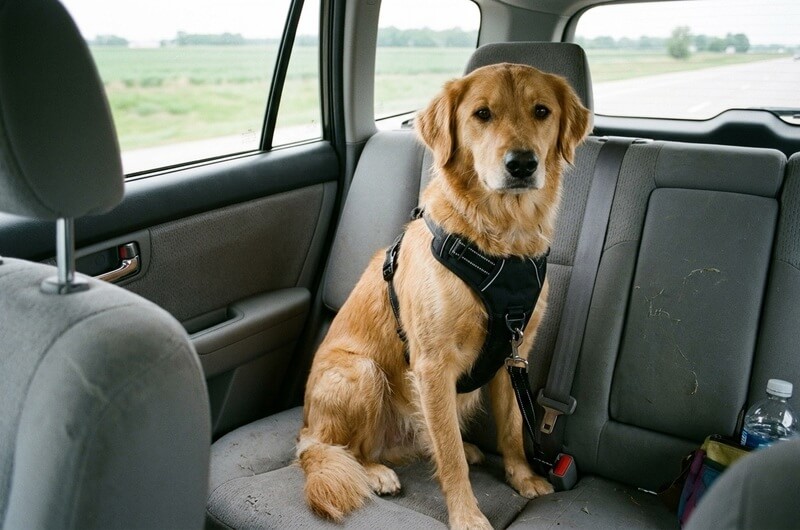
Secure your dog in a suitable travel crate or with a properly fitted dog car harness designed for vehicle travel. Follow the manufacturer’s instructions and choose equipment appropriate for your dog’s size.
The back seat is generally a safer choice than the front passenger seat, where an airbag could seriously injure a dog. Never allow your dog to sit on your lap while driving.
For more information, see the American Veterinary Medical Association’s pet travel guidance.
Keep Your Dog Inside the Vehicle
Although dogs may enjoy the breeze, allowing them to hang their heads out of the window can expose their eyes and face to dust, insects, and debris. Keep the windows closed enough to prevent your dog from putting their head outside or escaping.
Never leave your dog alone in a parked car. Temperatures can rise dangerously quickly, even when the weather outside feels mild. Opening the windows slightly does not make this safe.
Plan Breaks for Longer Trips
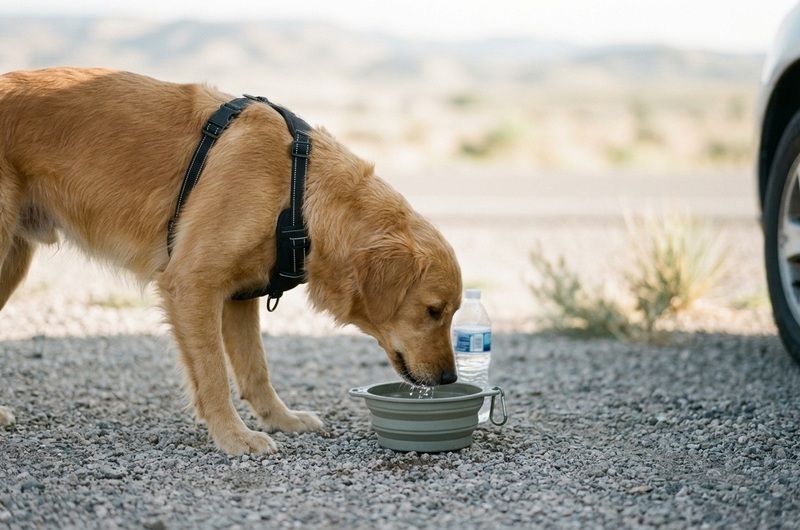
On longer journeys, stop regularly so your dog can drink water, stretch, and relieve themselves on a leash. Bring a water bowl, waste bags, and any necessary food or medication.
Keep your dog secured before opening the car door, especially in unfamiliar places where they may become startled or try to run off.
If your dog becomes unwell or overheated, stop somewhere safe and assess the situation rather than continuing the journey.
Warm weather also requires extra care when traveling with your dog. Learn to recognize the signs of overheating in our guide to why dogs pant so much and how to manage heat.
How to Help Your Dog Enjoy Car Rides
If your dog is nervous, start slowly. Let them explore the parked car without pressure, then gradually introduce short sessions with the engine running. Once they are comfortable, try brief drives and finish with a positive experience, such as a relaxing walk.
A familiar blanket or safe toy may help some dogs settle. Keep your own behavior calm and avoid forcing your dog into the vehicle.
If your dog continues to show fear, repeated vomiting, or severe distress, speak with a veterinarian. They can help determine whether the problem involves motion sickness, anxiety, or another health concern. Never give human medication to your dog unless your veterinarian specifically recommends it.
Frequently Asked Questions
Why does my dog get excited when I pick up the keys?
Your dog may have learned that the sound of your keys means a car ride or an outing is coming. This association can trigger excitement before the journey begins.
Why does my dog pant or drool in the car?
Panting and drooling can be signs of excitement, heat, anxiety, or motion sickness. If these symptoms are persistent or accompanied by vomiting, weakness, or severe distress, seek veterinary advice.
Can an adult dog learn to enjoy car rides?
Yes. Many adult dogs become more comfortable through gradual training and positive experiences. Start with short sessions and move at your dog’s pace.
Making Car Rides Safer and More Enjoyable
For many dogs, car rides offer new smells, interesting sights, and time with their families. Others need patience and gradual training before they feel comfortable traveling.
Use suitable restraints, provide regular breaks, and watch for signs of anxiety or illness. By putting your dog’s comfort and safety first, you can make everyday journeys more pleasant and help prepare them for longer adventures together.
Ontaryo articles are collectively researched, written, and maintained by our editorial team to help you keep your pets healthy and happy. Read our editorial policy.
Comments
One response
[…] provides mental stimulation and encourages confidence. For dogs that enjoy traveling, our guide on keeping dogs safe during car rides offers helpful advice for making outings more comfortable. You can also practice recall training […]