
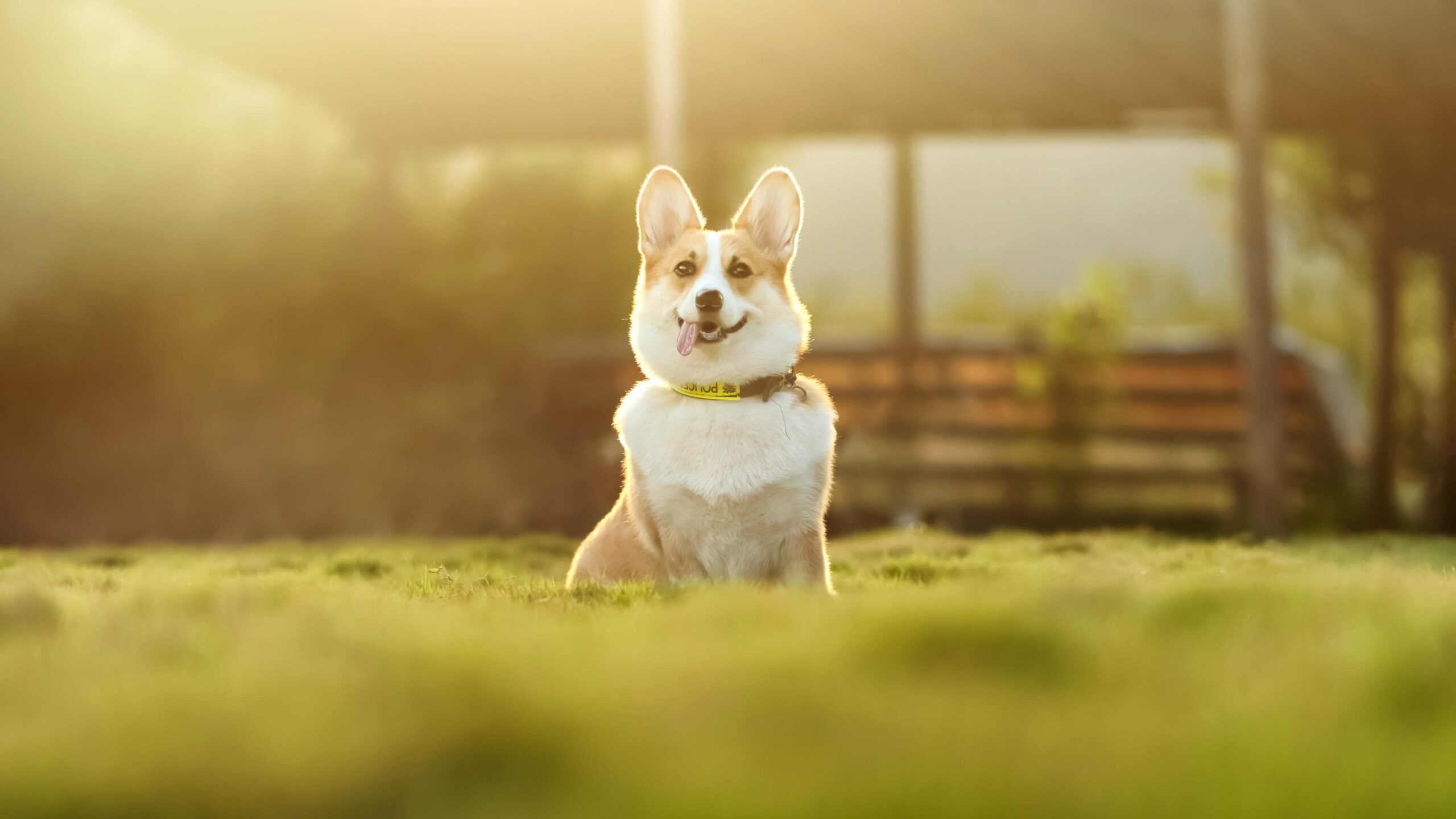
Panting is a normal way for dogs to cool themselves, especially after exercise or during warm weather. However, if your dog is panting heavily while resting, seems unable to settle, or shows other unusual symptoms, it may be a sign of overheating, pain, stress, or an underlying health problem.
Understanding why dogs pant can help you recognize when your dog simply needs a break and when veterinary attention may be necessary.
Why Do Dogs Pant?
Unlike humans, dogs cannot cool themselves efficiently by sweating across their bodies. They rely mainly on panting to release heat. Rapid breathing allows moisture to evaporate from the tongue and respiratory tract, helping regulate body temperature.
Panting can be normal in several situations, including:
- After walking, running, or playing.
- During warm or humid weather.
- When a dog is excited, nervous, or stressed.
- After an unfamiliar experience or a stimulating event.
In these situations, panting should generally ease when your dog rests in a comfortable environment. If it continues without an obvious reason, it deserves closer attention.
Common Reasons for Excessive Panting
1. Heat and Humidity
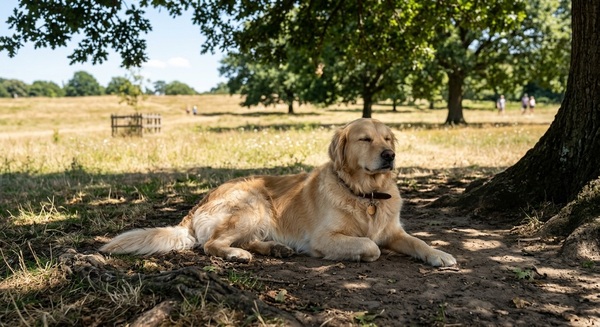
Warm weather is one of the most common reasons dogs pant heavily. High humidity can make cooling less effective, increasing the risk of overheating. Dogs may also become too hot indoors, in poorly ventilated spaces, or after spending time in direct sunlight.
Some dogs are particularly vulnerable, including flat-faced breeds such as Pugs and Bulldogs, overweight dogs, older dogs, and those with breathing or heart problems.
2. Exercise and Excitement
Panting after physical activity is usually expected. Running, playing fetch, or taking a brisk walk increases body heat, so your dog may need time to cool down.
Allow your dog to rest in the shade or a cool room and provide fresh water. On hot days, choose cooler hours for walks and avoid strenuous activity during the hottest part of the day.
Excitement can also cause temporary panting. Visitors, car rides, and energetic play may trigger it even when the weather is mild.
3. Stress and Anxiety
Dogs sometimes pant when they feel frightened or uncomfortable. Common triggers include thunderstorms, fireworks, separation, unfamiliar places, and visits to the veterinarian.
Stress-related panting may occur alongside pacing, trembling, whining, yawning, or repeatedly seeking reassurance. Give your dog a quiet place to settle and avoid forcing interactions.
If the behavior becomes frequent or starts without an obvious trigger, discuss it with your veterinarian.
4. Pain or an Underlying Health Problem
Panting that occurs while a dog is resting in a cool environment may indicate more than heat or excitement. Possible causes include pain, fever, respiratory or heart problems, and certain hormonal conditions. Some medications can also increase panting.
Pay attention to changes in your dog’s usual behavior, appetite, thirst, mobility, or sleep. Do not assume that unexplained panting is simply a sign of aging.
A veterinarian can assess your dog’s symptoms and determine whether examination or testing is needed. Never give human painkillers or other medication unless a veterinarian specifically instructs you to do so.
How to Tell Normal Panting from Dangerous Panting
The most important factors are the situation, how hard your dog is breathing, and whether other symptoms appear.
Panting is more likely to be normal when it follows exercise, excitement, or warm weather and gradually settles with rest in a cool place.
Be concerned if your dog pants heavily while resting, cannot get comfortable, or seems to be working hard to breathe. Seek emergency veterinary care if panting is accompanied by any of these warning signs:
- Weakness, stumbling, or collapse.
- Vomiting or diarrhea after heat exposure.
- Heavy drooling or unusual confusion.
- Gums that appear blue, gray, very pale, or unusually dark red.
- Noisy or labored breathing, or stretching the neck to breathe.
These signs can indicate heatstroke or another serious emergency. Do not wait for all the symptoms to appear before seeking help.
What to Do If Your Dog Is Overheating
If you suspect your dog is overheating, act promptly.
1. Move your dog to a cooler place. Get out of direct sunlight and away from hot pavement or enclosed spaces.
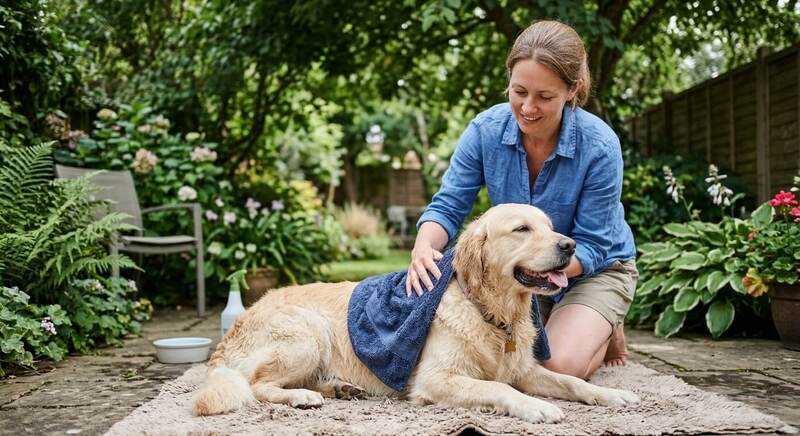
2. Begin gentle cooling. Wet your dog’s body with cool or room-temperature water and use a fan if available. Avoid ice-cold water or covering the dog with heavy, wet towels, which can interfere with effective cooling.
3. Offer water carefully. If your dog is alert and able to swallow normally, offer small amounts of fresh water. Do not force water into the mouth.
4. Contact a veterinarian immediately. Suspected heatstroke is an emergency, even if your dog appears to improve after cooling. Follow the veterinary team’s instructions and arrange urgent assessment.
For further guidance, read Cornell University’s veterinary resource on heatstroke in dogs.
How to Prevent Heat-Related Panting
A few simple habits can reduce the risk of overheating:
- Walk your dog during cooler morning or evening hours.
- Provide shade, ventilation, and constant access to fresh water.
- Take breaks during exercise and adjust activity to the weather.
- Watch for early signs of discomfort, especially in older or flat-faced dogs.
- Never leave your dog alone in a parked car, even with the windows partly open.
If your dog pants during travel, take breaks when it is safe to do so and keep the vehicle comfortably ventilated. You can also read our guide to why dogs love car rides and how to travel with them safely.
When Should You Contact a Veterinarian?
Contact your veterinarian if your dog repeatedly pants for no clear reason, pants while resting in a cool room, or develops other changes in behavior or health.
Seek emergency care immediately for severe breathing difficulty, collapse, or suspected heatstroke. Quick action can make a critical difference.
In Summary
Panting is a normal part of how dogs regulate their body temperature, but excessive or unexplained panting should not be ignored. Consider the weather, your dog’s activity, and any accompanying symptoms. Keep your dog cool, provide fresh water, and seek veterinary advice when the panting seems unusual. If you suspect heatstroke or notice serious warning signs, get emergency veterinary help without delay.
Ontaryo articles are collectively researched, written, and maintained by our editorial team to help you keep your pets healthy and happy. Read our editorial policy.
Comments
2 responses
[…] If your dog frequently pants in warm weather, read our guide on why your dog may be panting so much. […]
[…] Heat is another important consideration. Dogs can overheat during intense play, especially in warm or humid conditions. Provide fresh water, avoid strenuous exercise during the hottest part of the day, and take breaks in a cool area. Heavy or unusual panting, excessive drooling, weakness, vomiting, or collapse can indicate a serious heat-related emergency and require urgent veterinary attention. Read our guide on why dogs pant and how to manage heat-related risks. […]