
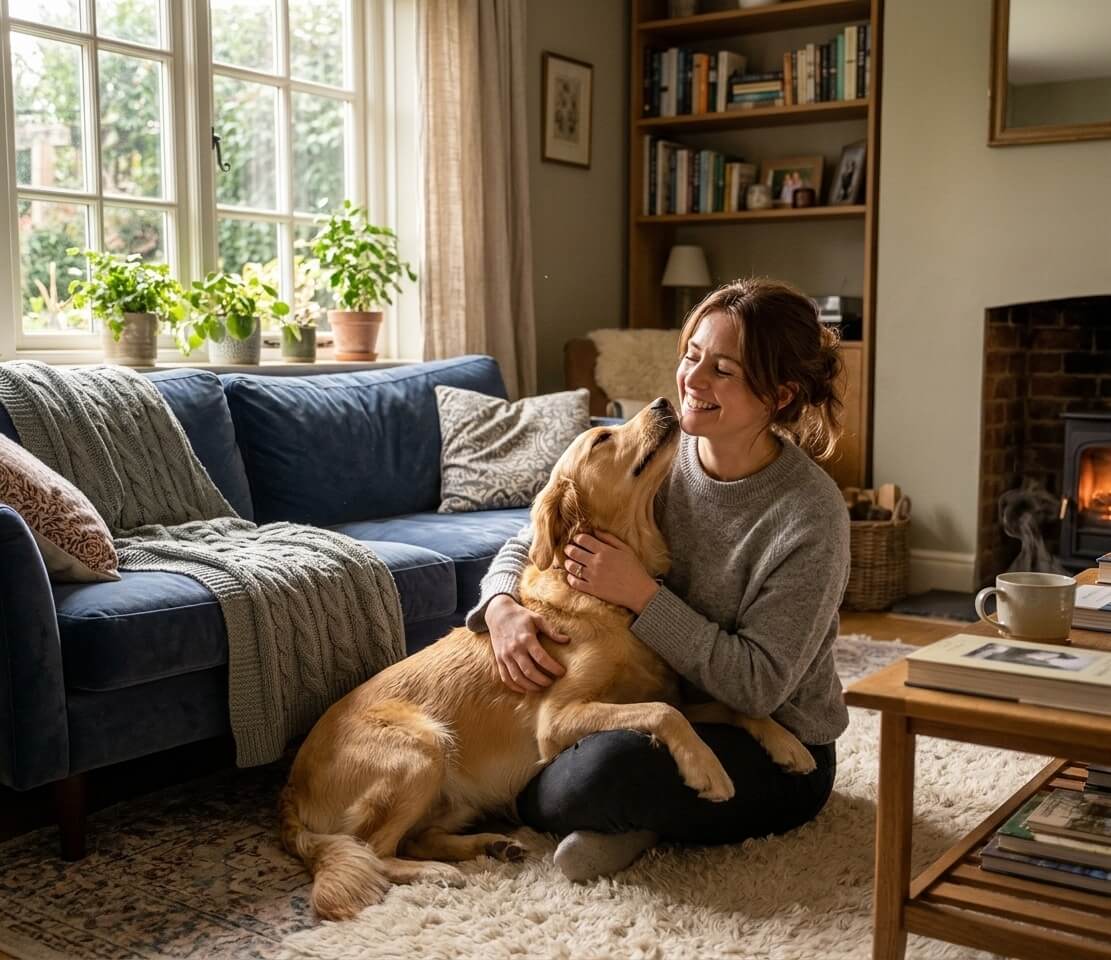
Building a deep relationship with your dog goes far beyond providing basic food and shelter. True companionship relies on mutual trust, emotional resonance, and consistent daily interaction. Whether you have just welcomed a rescued puppy or share your home with an older dog, strengthening your connection requires patience and empathetic care.
The Power of Predictable Routines
Dogs naturally thrive on structure and daily predictability. When your pet understands when to expect meals, outdoor walks, and quiet rest, their baseline anxiety drops significantly. A calm dog is much more open to learning and forming an emotional connection.
Maintaining consistent feeding hours builds a strong sense of security in the home. Additionally, handing small portions of food during simple exercises creates immediate positive associations with your presence. Regular walk schedules help regulate energy levels while lowering frustration. For additional guidance on structuring your daily routine, explore our tips on dog and cat play boundaries. Creating a peaceful sleeping area allows your pet to rest deeply without unwanted interruptions.
Reading Subtle Communication Cues
Effective communication is always a two-way conversation. To build lasting trust, you need to understand how your dog expresses subtle emotions through physical signals.
According to animal welfare standards published by the ASPCA, paying attention to ear positioning, tail movement, and facial muscle tension reveals a great deal about an animal’s internal state. For instance, a relaxed dog displays soft eyes, a loose body posture, and a natural tail wag. On the other hand, stiff movement, lip licking, or turning the head away often signals rising stress or a desire for space. When you notice these subtle indicators and respect your dog’s boundaries, you demonstrate that you are a supportive and reliable companion.
Shared Play and Positive Association
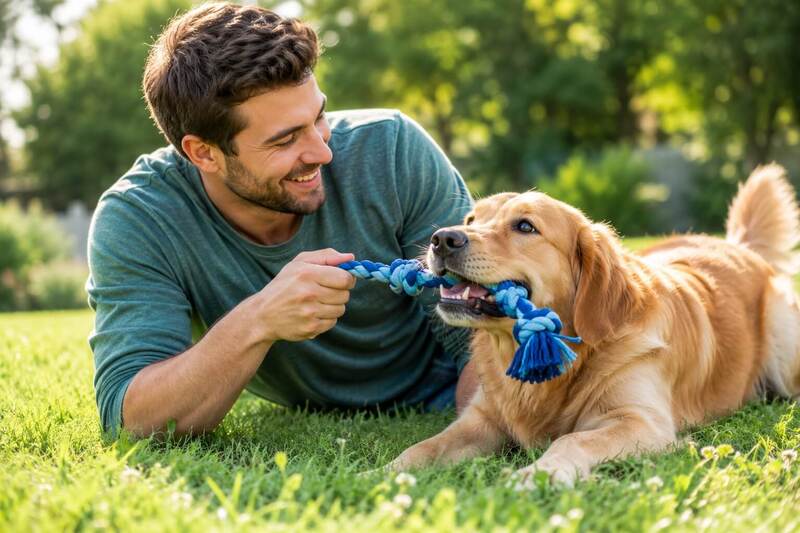
Interactive play and reward-based interactions are among the fastest ways to strengthen your bond. Engaging activities stimulate your dog’s mind while building joyful memories together.
Rewarding good choices immediately with praise or high-value treats reinforces desirable behavior. Short training sessions lasting just five to ten minutes keep enthusiasm high without causing mental fatigue. Incorporating scent games or puzzle toys helps build confidence in shy or anxious dogs. As a result of these positive experiences, your dog will naturally focus more on you during daily walks and household activities.
Exploring the World Together
Shared experiences outside the home can help strengthen the relationship between you and your dog. Allowing your pet to explore new walking routes, sniff different scents, and discover unfamiliar environments at a comfortable pace provides mental stimulation and encourages confidence. For dogs that enjoy traveling, our guide on keeping dogs safe during car rides offers helpful advice for making outings more comfortable. You can also practice recall training with guidance from Blue Cross to help your dog respond more reliably when called in appropriate, safe settings.
You can also introduce simple activities such as hiding treats around a safe room, practicing recall in a secure area, or teaching a new trick using rewards. These experiences encourage cooperation and help your dog associate your presence with enjoyable activities. Always adjust the difficulty to your dog’s age, physical abilities, and confidence level. The goal is not to keep your dog constantly busy, but to create positive experiences that you can enjoy together.
Respecting Your Dog’s Individual Personality
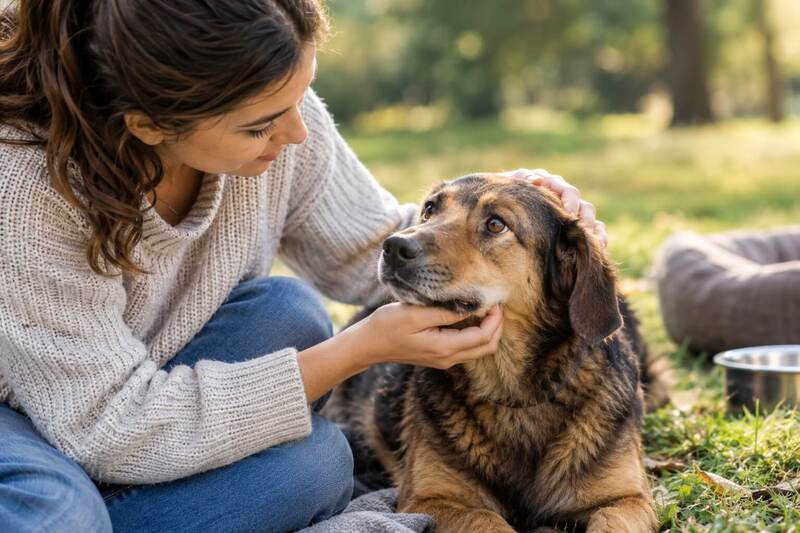
Every dog develops trust at a different pace. Some dogs quickly seek attention and enjoy meeting new people, while others need more time before feeling comfortable. Rescue dogs and those with difficult past experiences may especially benefit from a calm environment and gradual introductions to new situations.
Avoid comparing your dog with other pets or expecting immediate results. Instead, notice small improvements, such as choosing to rest near you, responding more confidently to your voice, or approaching you voluntarily. These everyday moments can be meaningful signs that your dog is becoming more comfortable. Consistency, patience, and respect for individual boundaries help create a relationship in which your dog feels safe rather than pressured.
Meaningful Affection and Quiet Presence
Physical touch can be a powerful bonding tool when offered on your dog’s terms. Many dogs enjoy gentle interactions, but every individual has unique personal preferences.
Discovering your dog’s favorite resting spots—such as light scratches behind the ears or along the chest—makes touch far more comforting than firm pats on top of the head. Slow, gentle strokes along the spine can lower heart rates and promote deep relaxation after an active day. Furthermore, simply sitting together in the same room while you read or work fosters a sense of safe togetherness without forcing unwanted physical contact.
Bonding with your dog is a continuous journey shaped by daily care, clear communication, and shared quiet moments. By offering predictable structure, honoring physical boundaries, and sharing positive play, you will cultivate a loyal and unbreakable friendship that endures for years to come.
Ontaryo articles are collectively researched, written, and maintained by our editorial team to help you keep your pets healthy and happy. Read our editorial policy.
Comments
7 responses
[…] For more practical ideas, read our guide on how to bond with your dog. […]
[…] visual meetings. Ensuring your dog understands basic focus and recall commands from our guide on how to bond with your dog can make this phase […]
[…] you are working on communication, engagement, and better focus with your dog, our guide on how to bond with your dog offers additional ideas for building a stronger […]
[…] you want to build better focus at home first, read our complete guide on how to bond with your dog. These foundational exercises will make outdoor management much […]
[…] Training also provides an opportunity to build communication and trust. Reward-based methods, predictable routines, and activities your dog enjoys can help strengthen your relationship. For more practical ideas, read our guide on how to bond with your dog. […]
[…] nervous about handling, patience and positive interactions can help. You can also read our guide on how to bond with your dog for more ideas on building trust through everyday […]
[…] If you want to strengthen your relationship with your pet, read our guide on how to bond with your dog. […]